Choosing Between Timber, Aluminium, And Colorbond Fencing
Strike Fencing & Gates • December 8, 2025
Choosing the right fencing material can feel like a bigger decision than expected. Beyond appearance, each option comes with its own strengths, maintenance needs and suitability for different environments.
Timber,
aluminium and
Colorbond are three of the most popular choices for homeowners weighing up looks, privacy and durability. Understanding how each behaves over time can make the decision far clearer. This guide breaks down the key differences so you can match the right fencing material to your priorities, budget and long-term plans.
Timber’s Natural Appeal and When a Fencing Specialist Recommends It
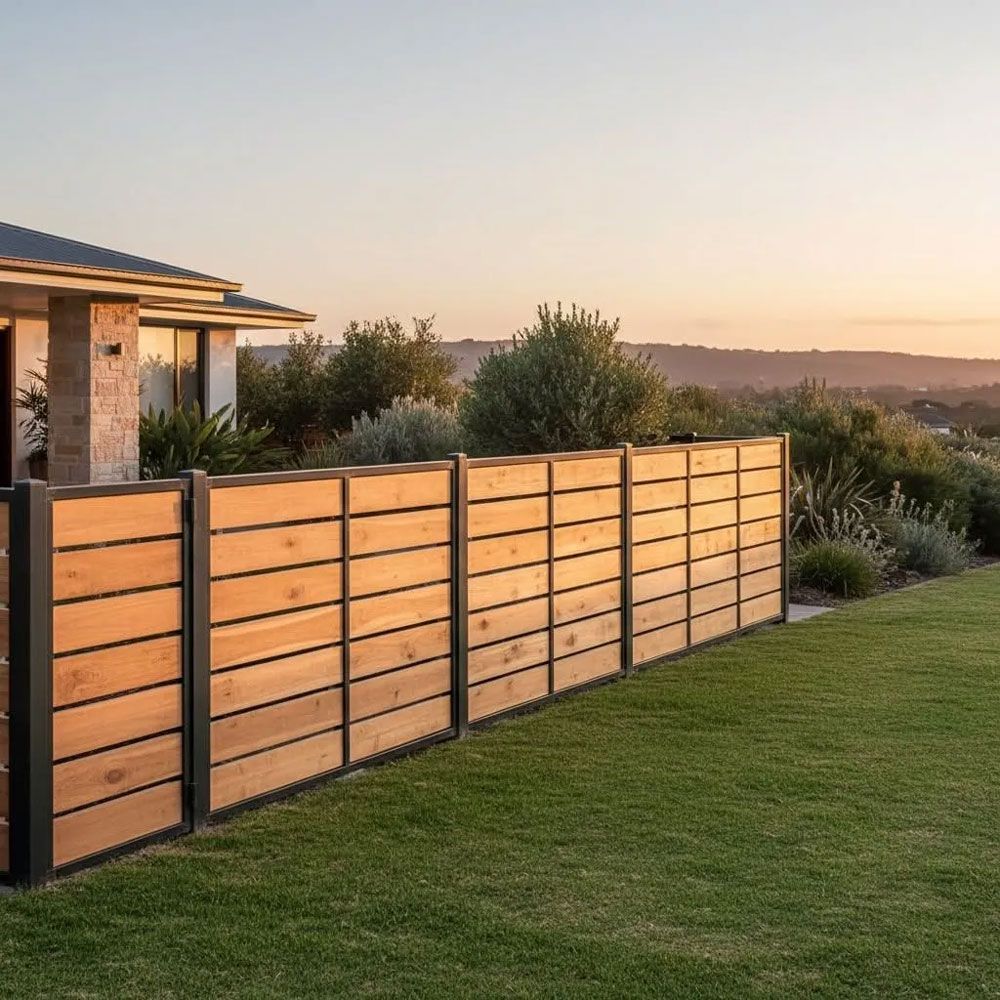
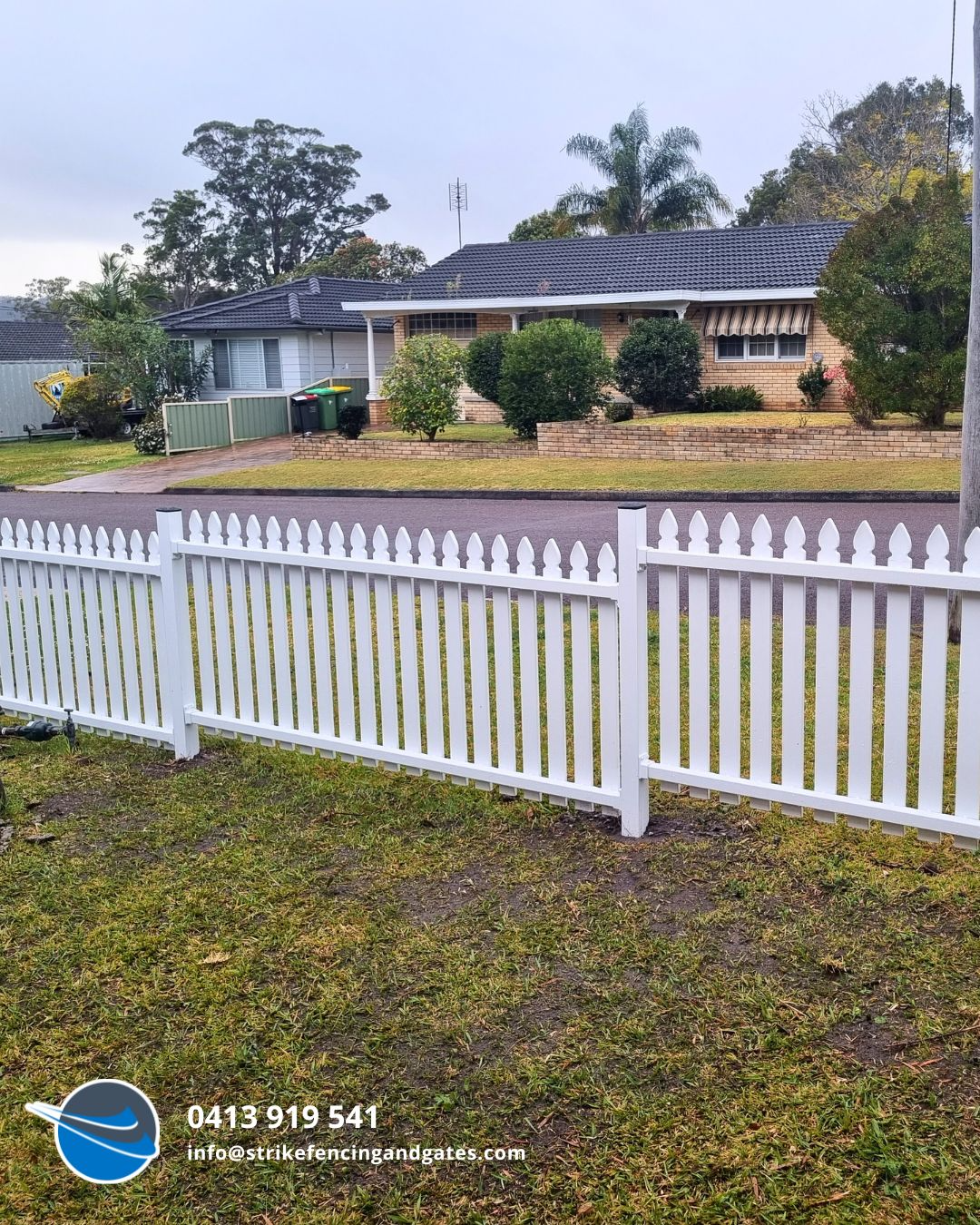
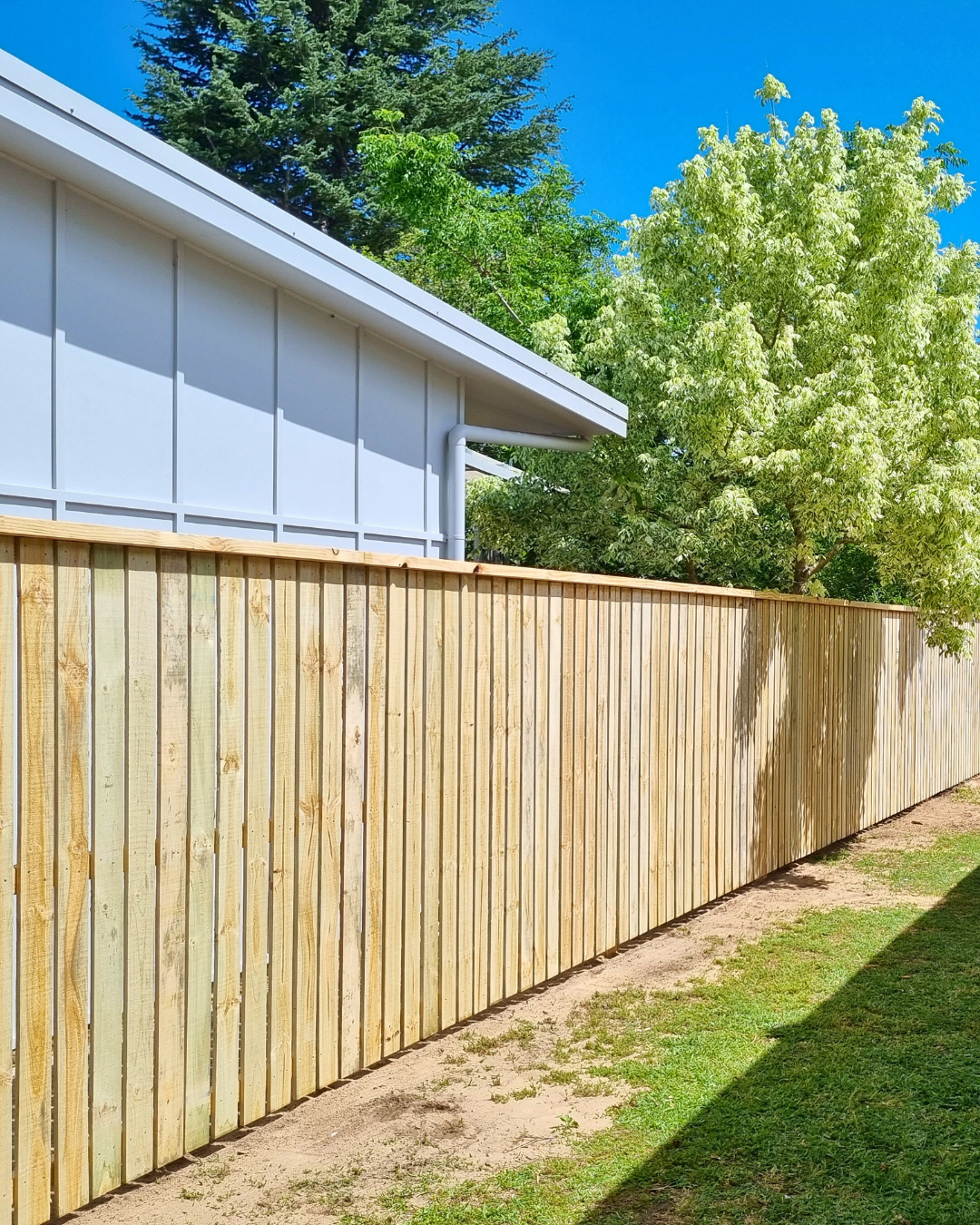
Timber fencing is often chosen for its warm, natural appearance and ability to blend seamlessly with classic, coastal or character-style homes. A fencing specialist typically recommends timber when the overall look of the property calls for a more traditional or organic feel. Timber blends beautifully with gardens, outdoor entertaining spaces and homes that favour natural textures.
While timber has strong aesthetic appeal, it does require consistent care over time, and this is where homeowners need to weigh its benefits against ongoing upkeep. Specialists often guide clients through what to expect before installation so they have a clear picture of long-term maintenance.
Key considerations include:
- Timber needs sealing, staining or painting to prevent rot.
- It may require periodic repairs or replacement of individual palings.
- Professional installation ensures proper post depth and alignment to reduce warping.
Timber is a timeless choice, but understanding its care demands helps homeowners decide if it fits their lifestyle.
Aluminium Fencing as a Low-Maintenance Choice for Busy Households
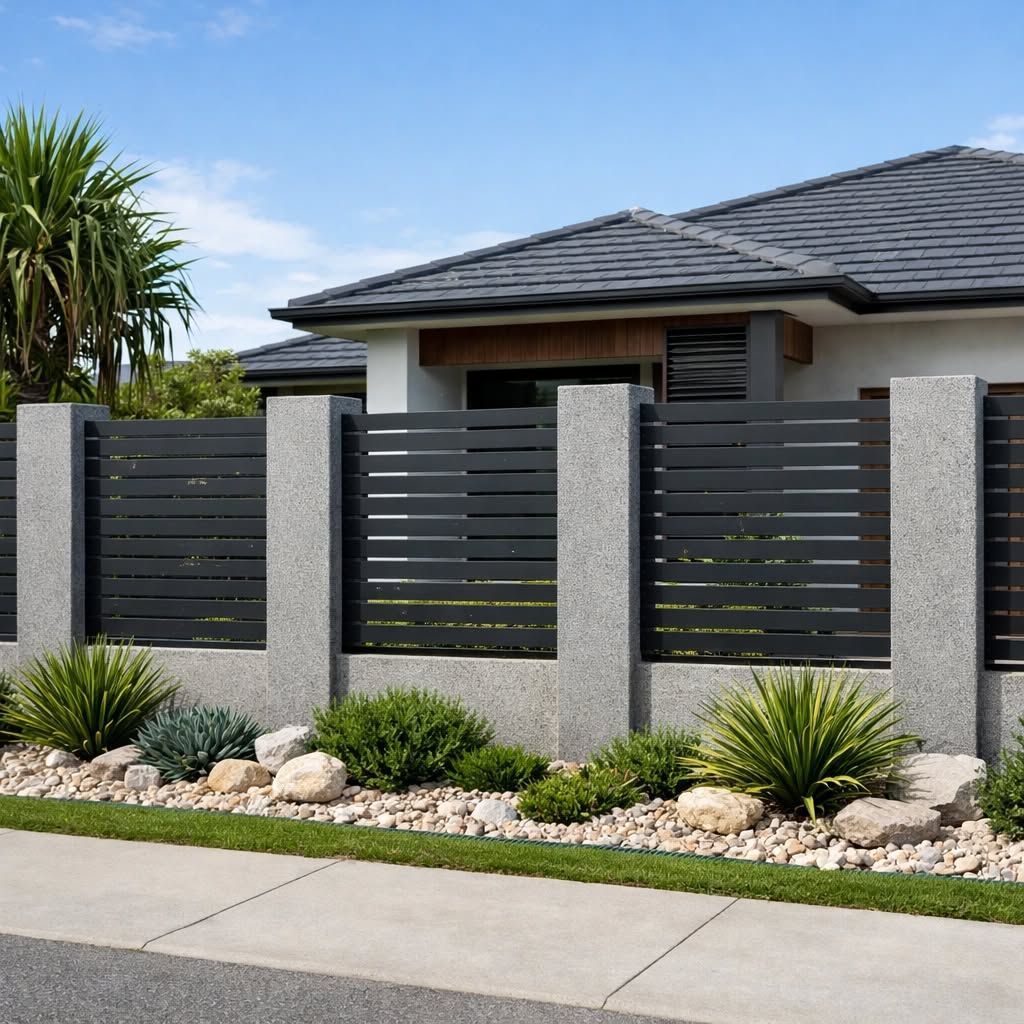
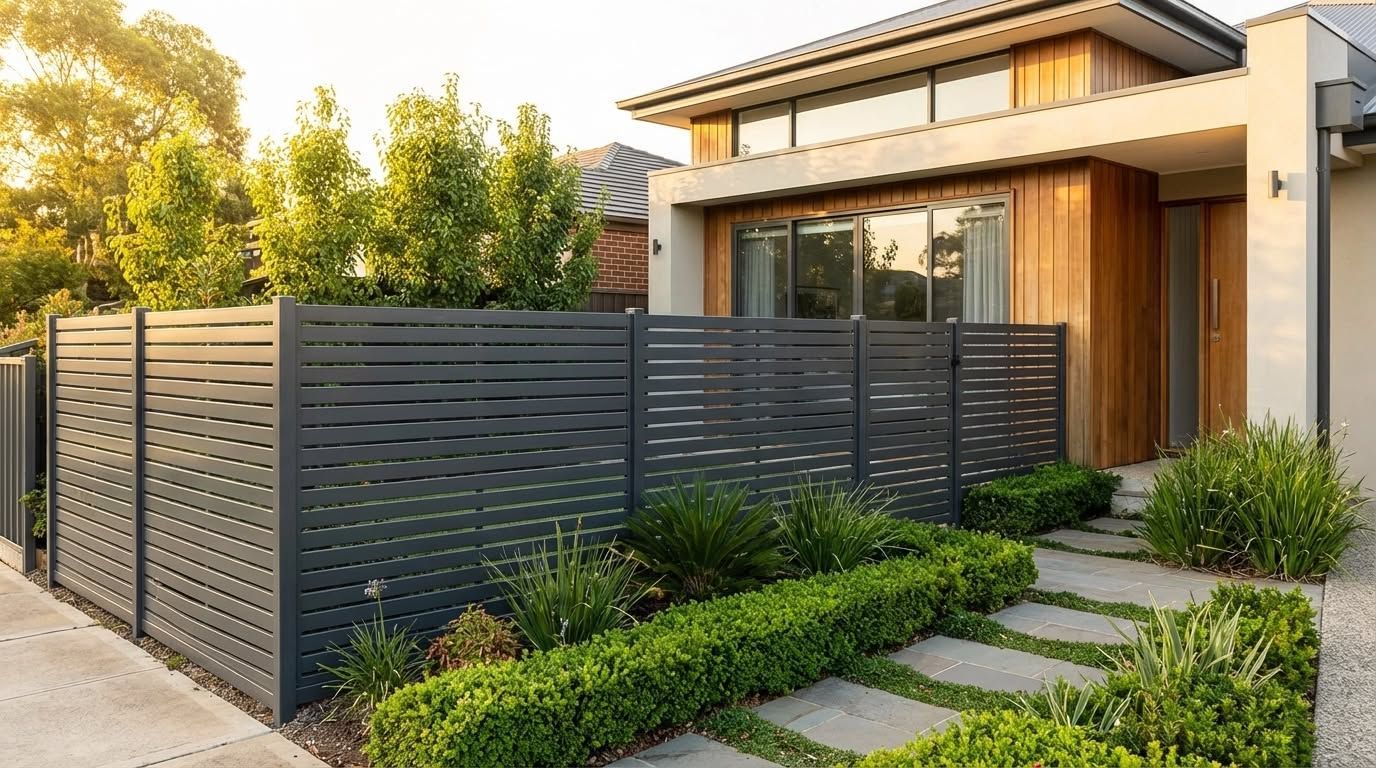
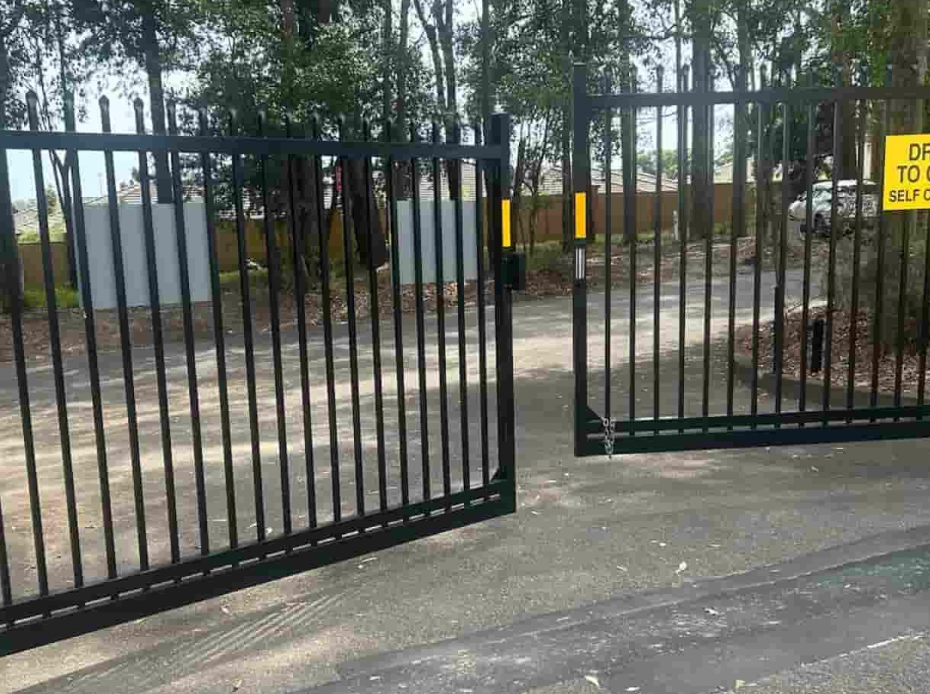
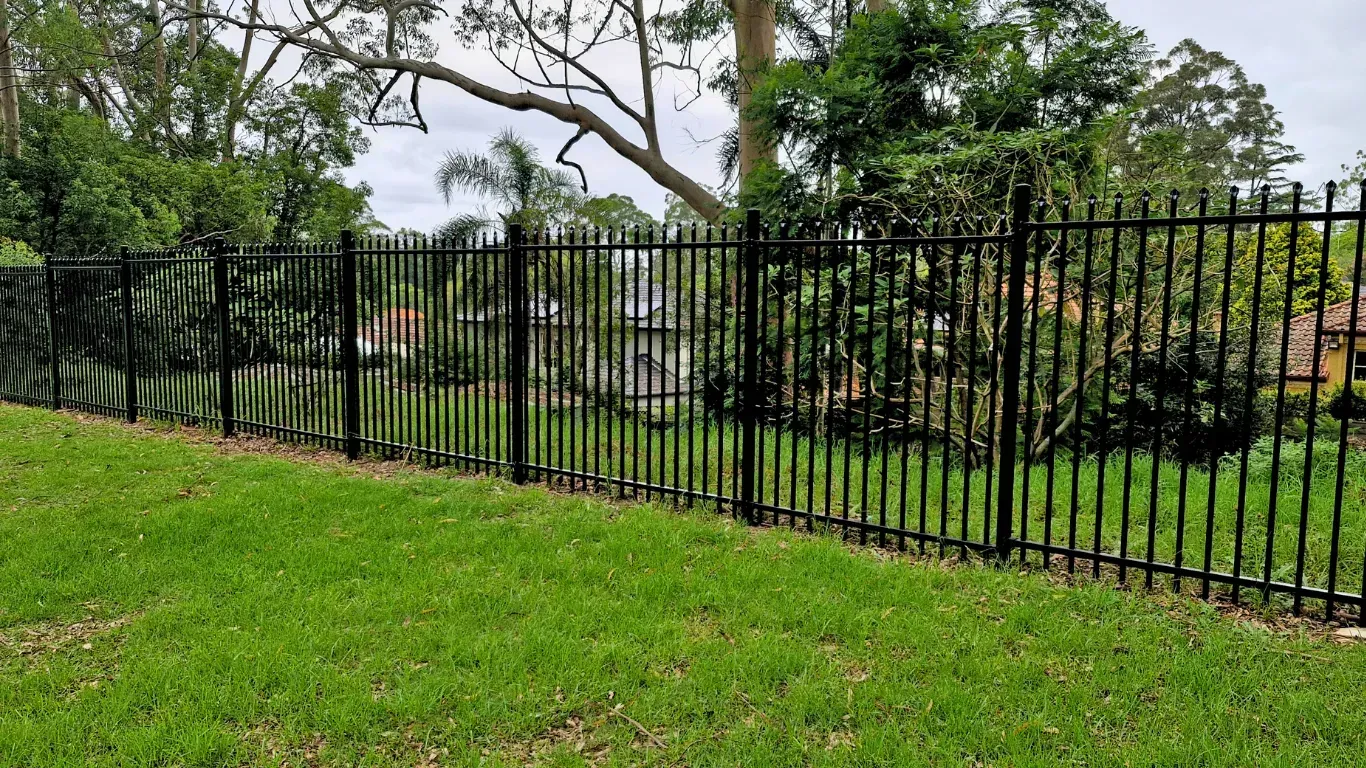
Aluminium fencing is a popular option for those wanting a clean, modern and durable fence without the commitment of regular maintenance. A fencing specialist often recommends aluminium for households that need a long-lasting solution that can handle daily use with minimal upkeep. Aluminium does not rust, crack or warp, making it reliable for homes that prefer a set-and-forget approach. Its lightweight structure also allows for flexible design options, whether the homeowner wants something simple or more decorative. When advising clients, fencing contractors generally match aluminium to properties seeking functionality, longevity and modern street appeal without ongoing treatment or repairs.
Why Colorbond Fencing Excels in High-Wear Environments
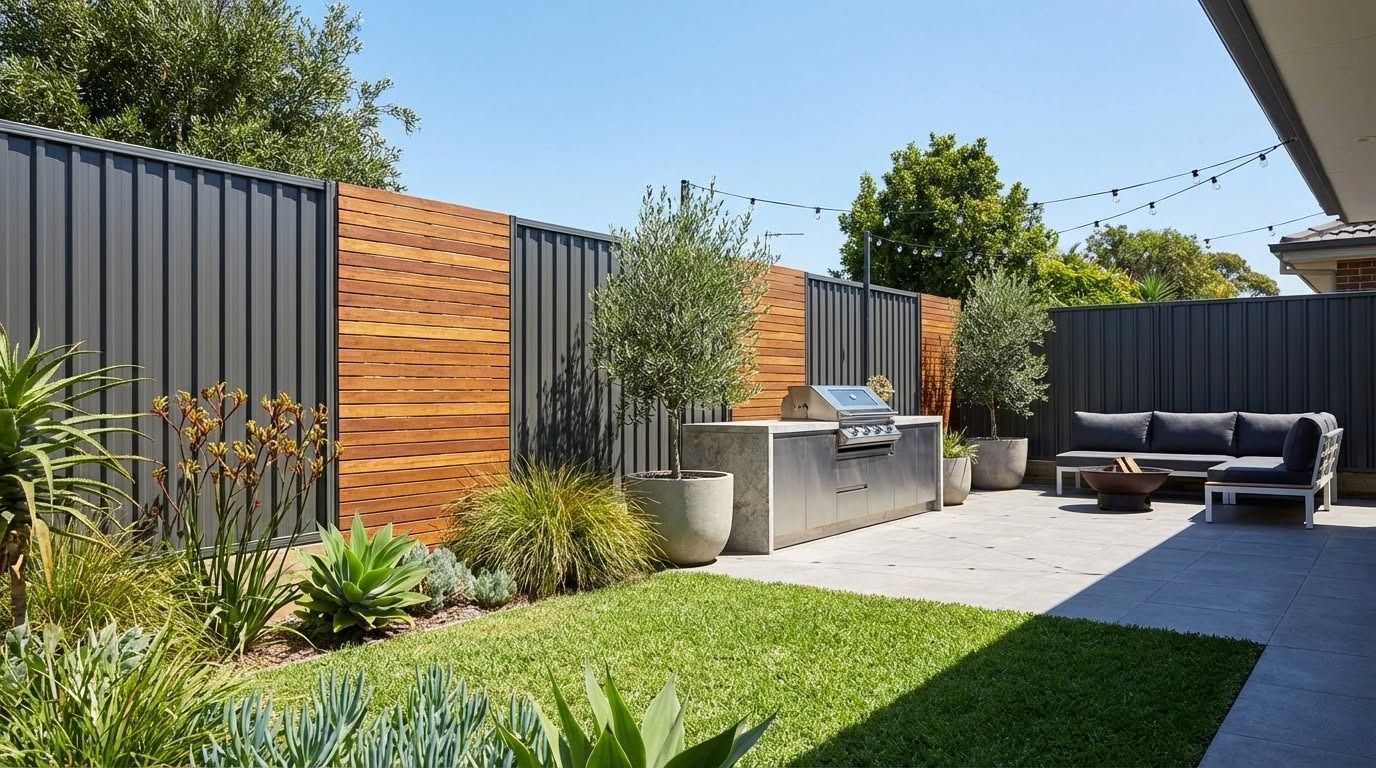
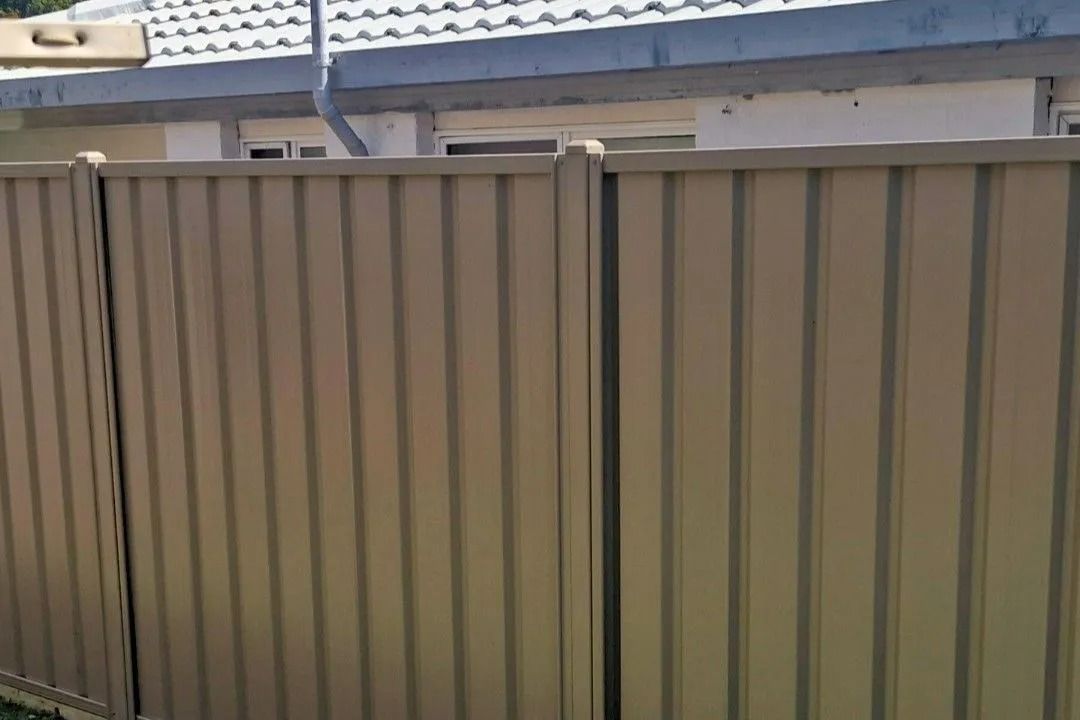
Colorbond fencing is engineered to handle tough conditions, which is why fencing contractors often recommend it for high-wear or high-exposure locations. Made from pre-painted steel, Colorbond provides robust protection against impact, weather changes and everyday wear. For many property owners, the combination of privacy and durability makes it an appealing long-term investment.
Benefits highlighted during consultations often include:
- Impressive resistance to corrosion, pests and moisture.
- Strong interlocking panels that stay aligned over time.
- A large colour range to suit different property styles.
Colorbond’s performance in demanding environments makes it a dependable choice for those prioritising security, privacy and consistent appearance.
Comparing Privacy Levels Across Timber, Aluminium and Colorbond
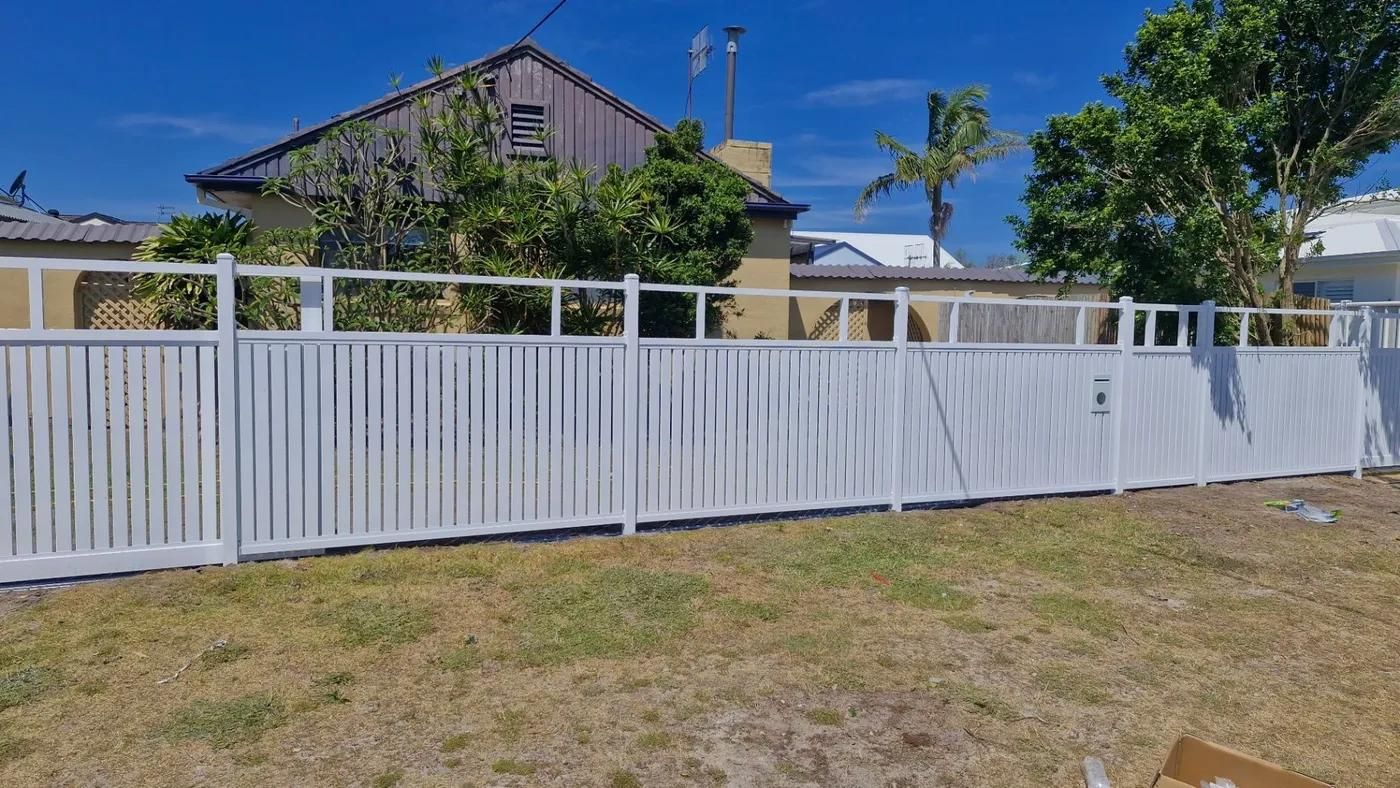
A fencing specialist often begins discussions about privacy by comparing the structural differences between timber, aluminium and Colorbond. Each offers a different level of visual screening, noise reduction and boundary definition. Timber can provide solid coverage when installed with minimal spacing between palings, while aluminium typically offers semi-open designs unless customised. Colorbond delivers full privacy through solid steel panels with no gaps at all. During a consultation, fencing contractors review the home’s layout, neighbours’ proximity and the client’s lifestyle needs to recommend the material that will deliver the right balance of privacy, airflow and light control.
Matching Your Fence Style to Your Home’s Design
The right fence not only defines property boundaries but also enhances the home’s overall appearance. A fencing specialist usually assesses the property’s architectural features before recommending timber, aluminium or Colorbond. Each material brings its own design qualities, and the chosen option can improve harmony between the home, garden and street frontage.
Design considerations a specialist may review include:
- Whether the home features modern, coastal or traditional styling.
- How colours and textures complement the exterior palette.
- Whether the fence should stand out as a feature or blend into the background.
By looking at the broader visual context, fencing contractors help clients select a material that feels balanced and cohesive.
Understanding the Long-Term Maintenance Needs of Each Material
Before installation begins, fencing contractors outline the expected maintenance requirements for each fencing material. Timber requires the most upkeep, needing treatments and occasional replacement components. Aluminium offers low maintenance, requiring little more than occasional cleaning to keep it looking sharp. Colorbond sits comfortably in the low-maintenance category as well, only needing periodic rinsing to maintain its finish. Understanding these commitments helps homeowners decide which option best suits their daily routine, budget and long-term expectations.
Cost Considerations: What Impacts the Final Price of Your Fence?
When homeowners compare fencing options, cost is naturally a key factor. A fencing specialist explains that the final price depends on more than just the material. The layout of the property, installation requirements and site conditions can all influence the overall cost. Specialists provide transparent quotes so clients can understand the value behind each option.
Common price factors include:
- Material choice and its grade or thickness.
- Boundary length and sectional complexity.
- Soil type and ground conditions affecting post depth.
- Labour requirements for precise installation.
By understanding these cost variables, homeowners can select a fence that fits their budget while still delivering durability and long-term performance.
How Professional Installation Protects the Lifespan of Any Fence
Regardless of the material chosen, expert installation plays a major role in how long a fence lasts. Fencing contractors ensure posts are set at the correct depth, panels are securely aligned, and all components are fitted to meet relevant standards. Proper installation prevents common issues such as leaning, warping and structural weakness. Without professional workmanship, even the highest-quality materials can underperform. A fencing specialist’s knowledge ensures the fence is prepared to handle changing conditions, ongoing use and long-term exposure.
We at
Strike Fencing & Gates help homeowners choose and install fencing that suits their property style, budget and long-term needs. Whether you're comparing
timber,
aluminium or
Colorbond, our team can guide you through every step so your fence performs well in the coastal conditions common across the Central Coast. If you’re looking for reliable fencing contractors on the Central Coast or want advice on selecting the best fencing option for your Central Coast home, visit
https://www.strikefencingandgates.com/ to
get started. Our fencing specialists are here to help you achieve a durable, well-designed result that enhances your property for years to come.