The Complete Guide To Choosing The Right Fence For Your Home
Strike Fencing & Gates • October 27, 2025
When it comes to improving your property, few upgrades offer as many practical and visual benefits as a well-chosen fence. Whether you're boosting privacy, adding security, or upgrading curb appeal, the right fencing solution does more than define your boundary—it enhances your home’s overall function and value.
For homeowners exploring their options, this guide will help you understand the factors that go into selecting the best fencing on the Central Coast, covering everything from materials and climate considerations to council rules and installation. With the help of experienced fencing contractors on the Central Coast, your fencing project can be a long-term investment in both style and security.
Why Your Fence Choice Matters More Than You Think
Your fence isn't just a divider between properties—it’s a statement about your home’s character and a functional part of your lifestyle. The right fencing can create a sense of seclusion, keep your children or pets safe, and even deter trespassers.
A well-designed and professionally installed fence contributes to:
- Enhanced privacy by shielding your yard or outdoor living areas from street view or neighbouring properties.
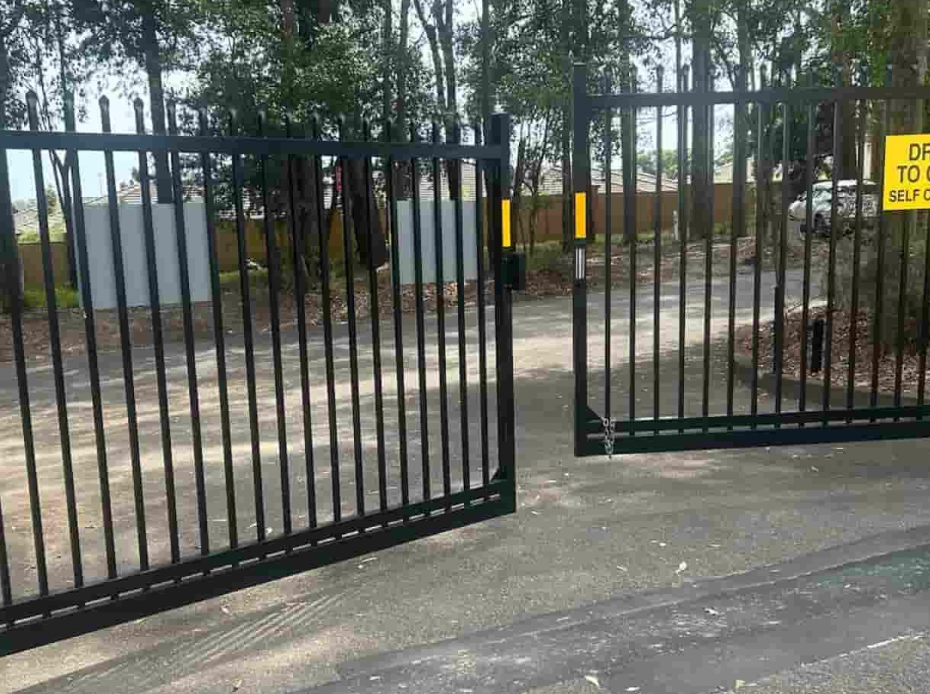
- Improved security, especially when using durable materials and designs that are difficult to breach or scale.
- Elevated aesthetic value, framing your property in a style that complements your home’s architecture.
- Increased property value, as potential buyers see professionally installed fencing as a desirable asset.
These benefits are particularly important for those investing in fencing in Central Coast suburbs, where both lifestyle and coastal exposure play a role.
Understanding the Most Popular Types of Fencing
There’s no one-size-fits-all fence — and your choice will depend on what you prioritise: privacy, aesthetics, safety, or low maintenance. On the Central Coast, certain fencing types have gained popularity due to their style, resilience, and compatibility with the local environment.
Here are some common fencing types and what they’re best used for:
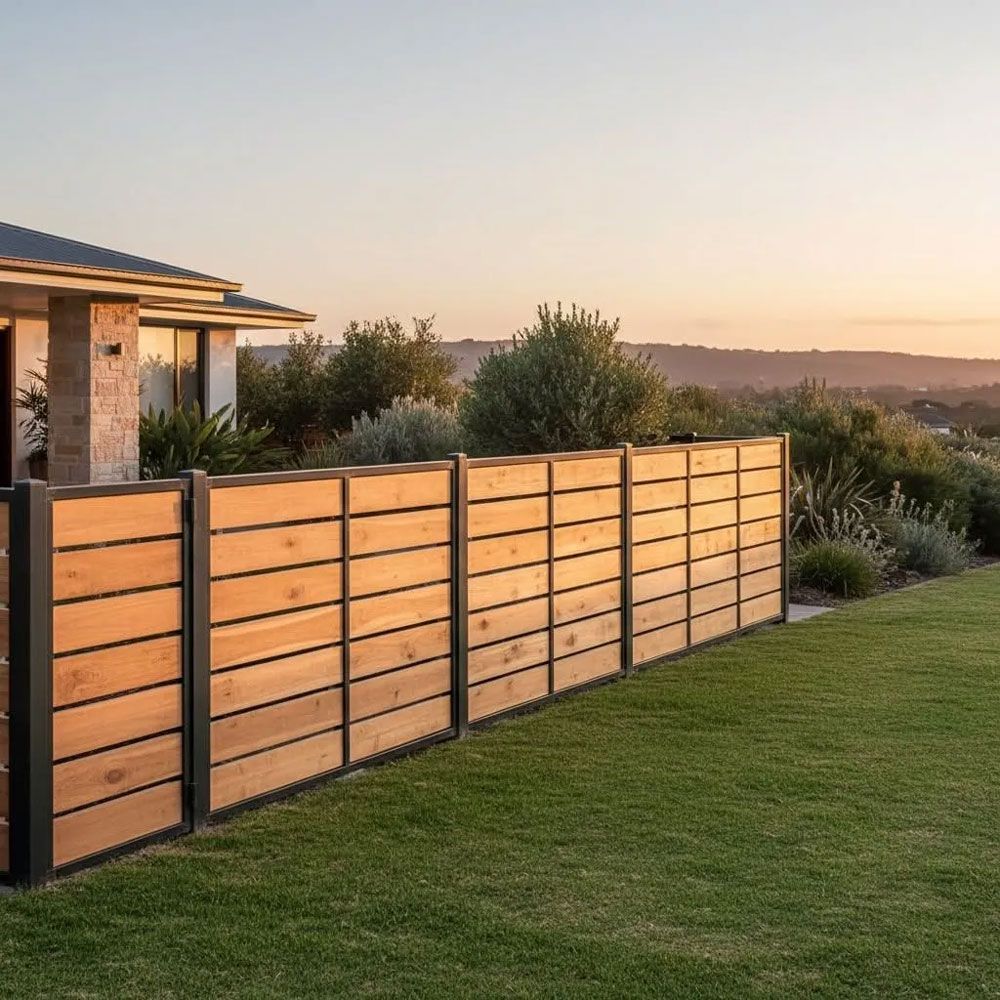
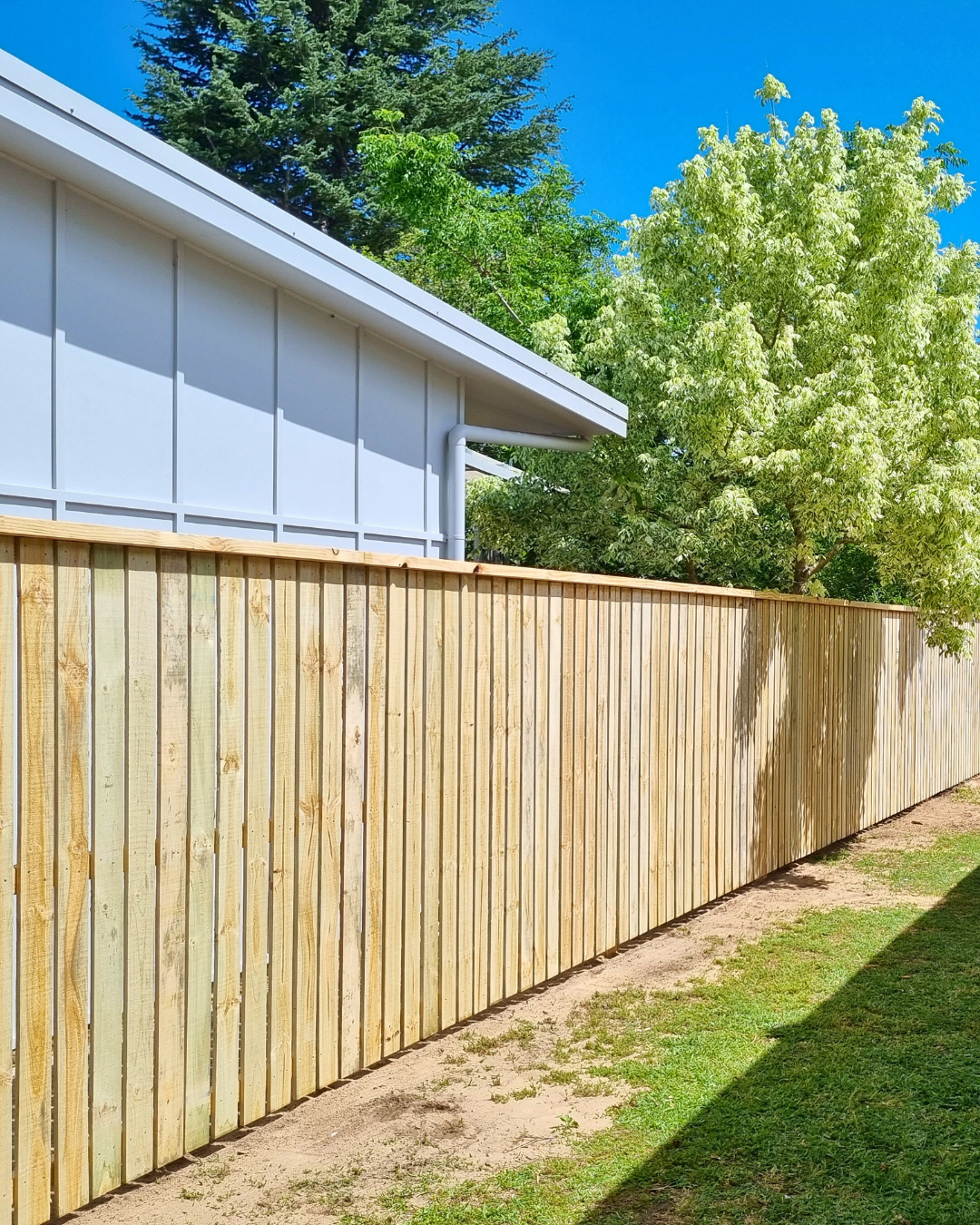
- Timber fencing remains a classic choice for privacy and traditional charm. It works well with many residential homes but may require more upkeep.
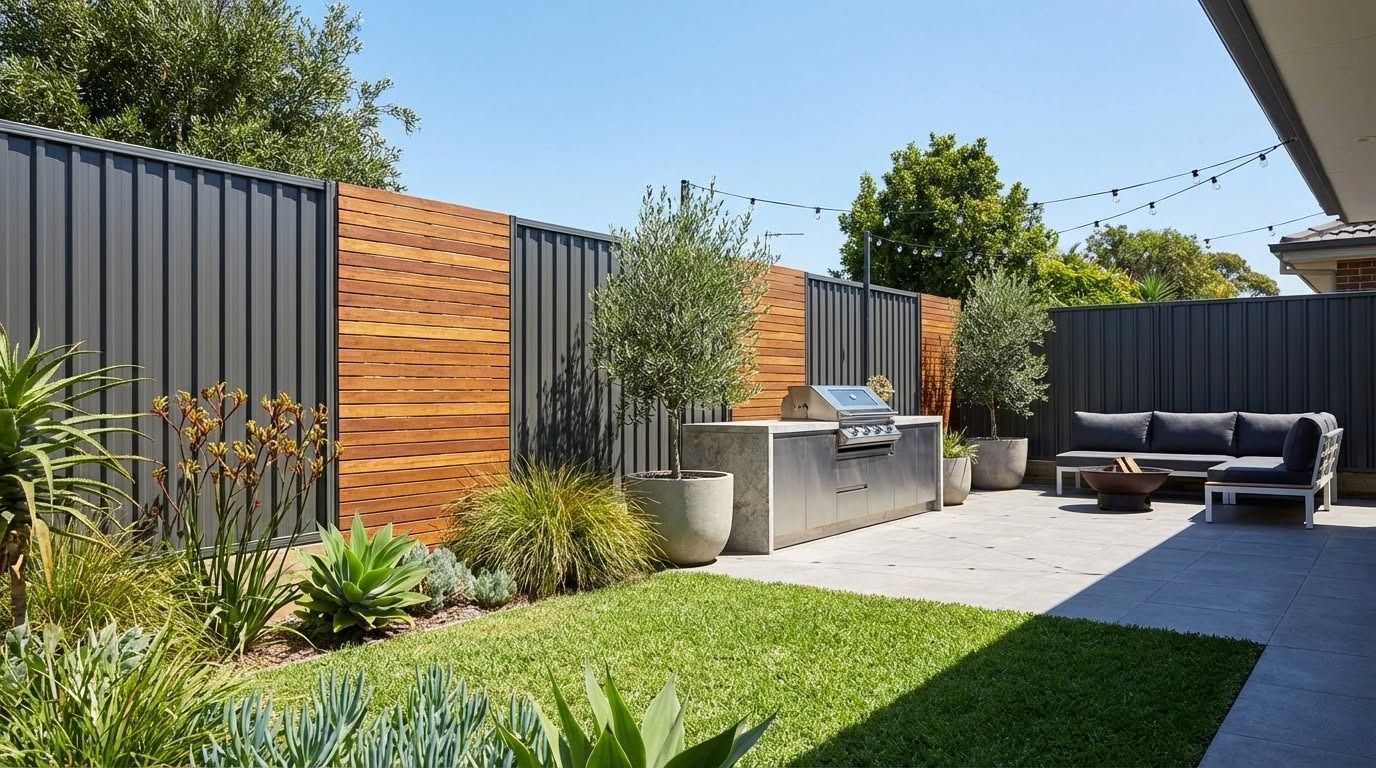
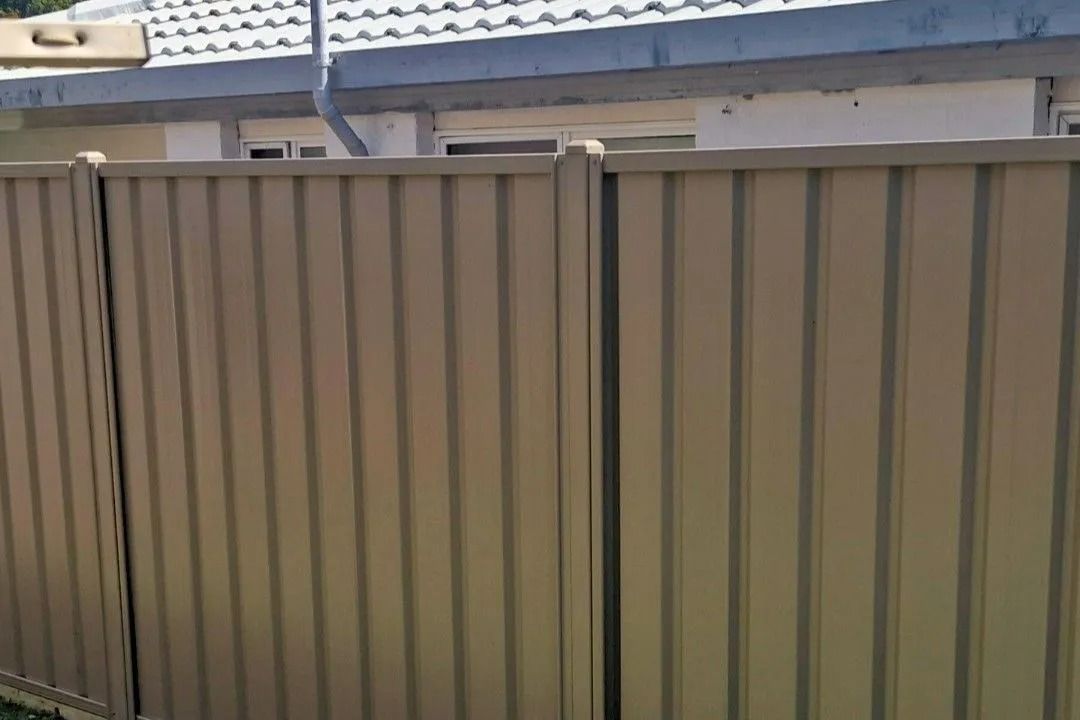
- Colorbond steel fencing is prized for its strength, clean lines and modern look. It offers excellent durability, particularly in coastal settings.
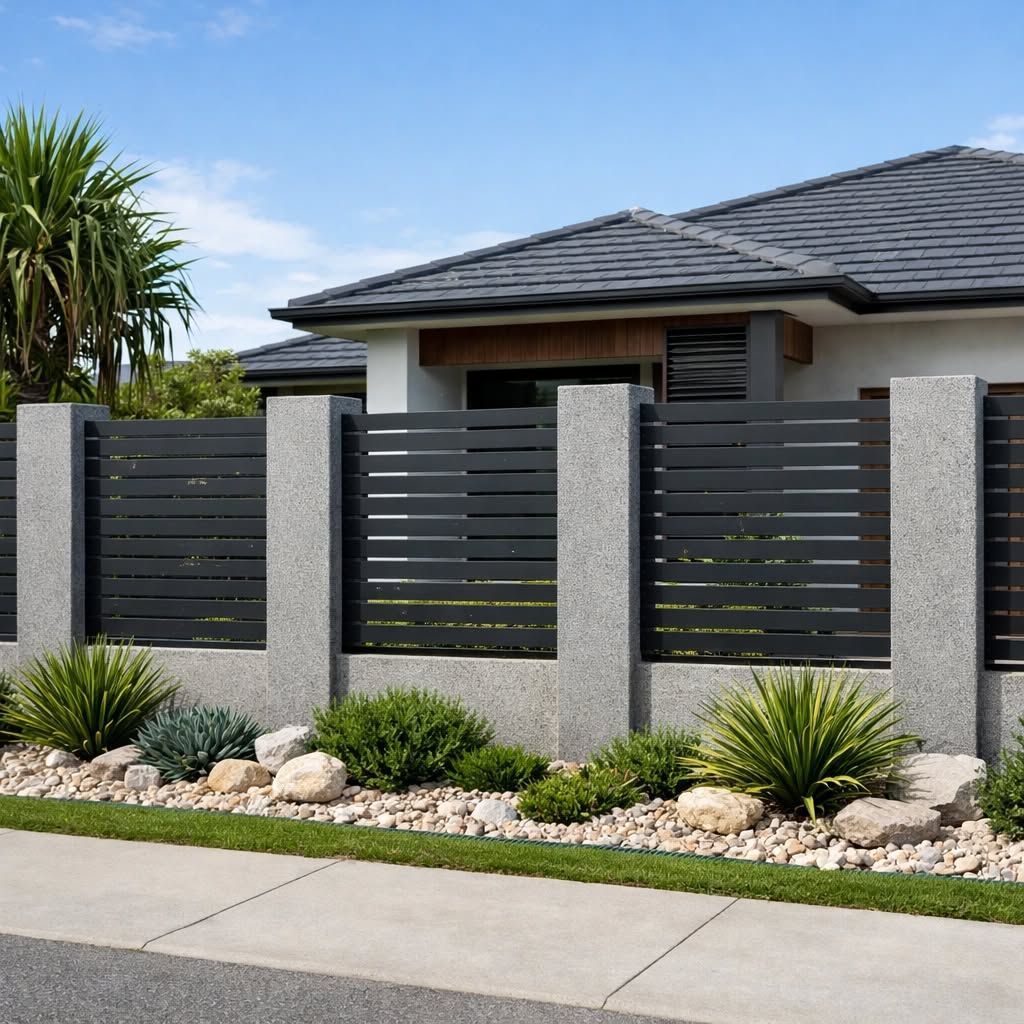
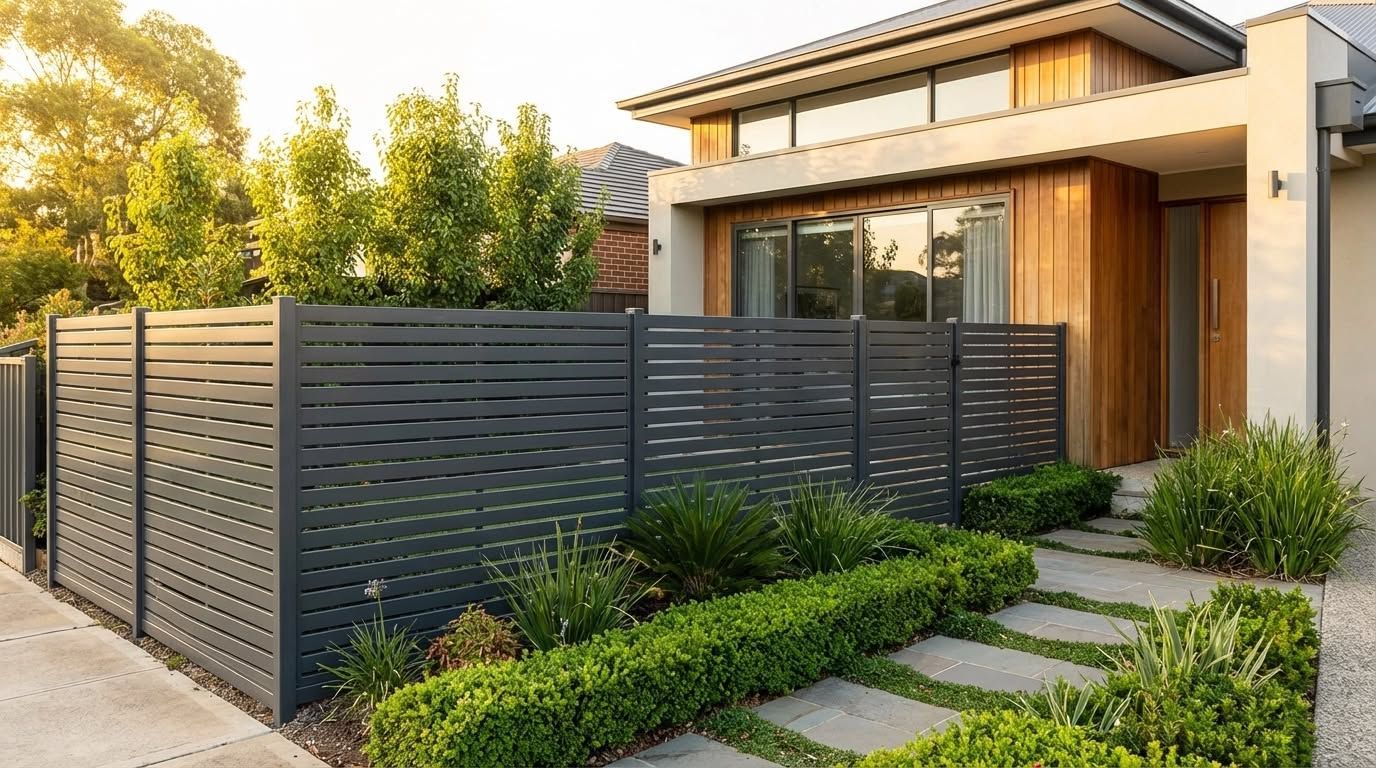
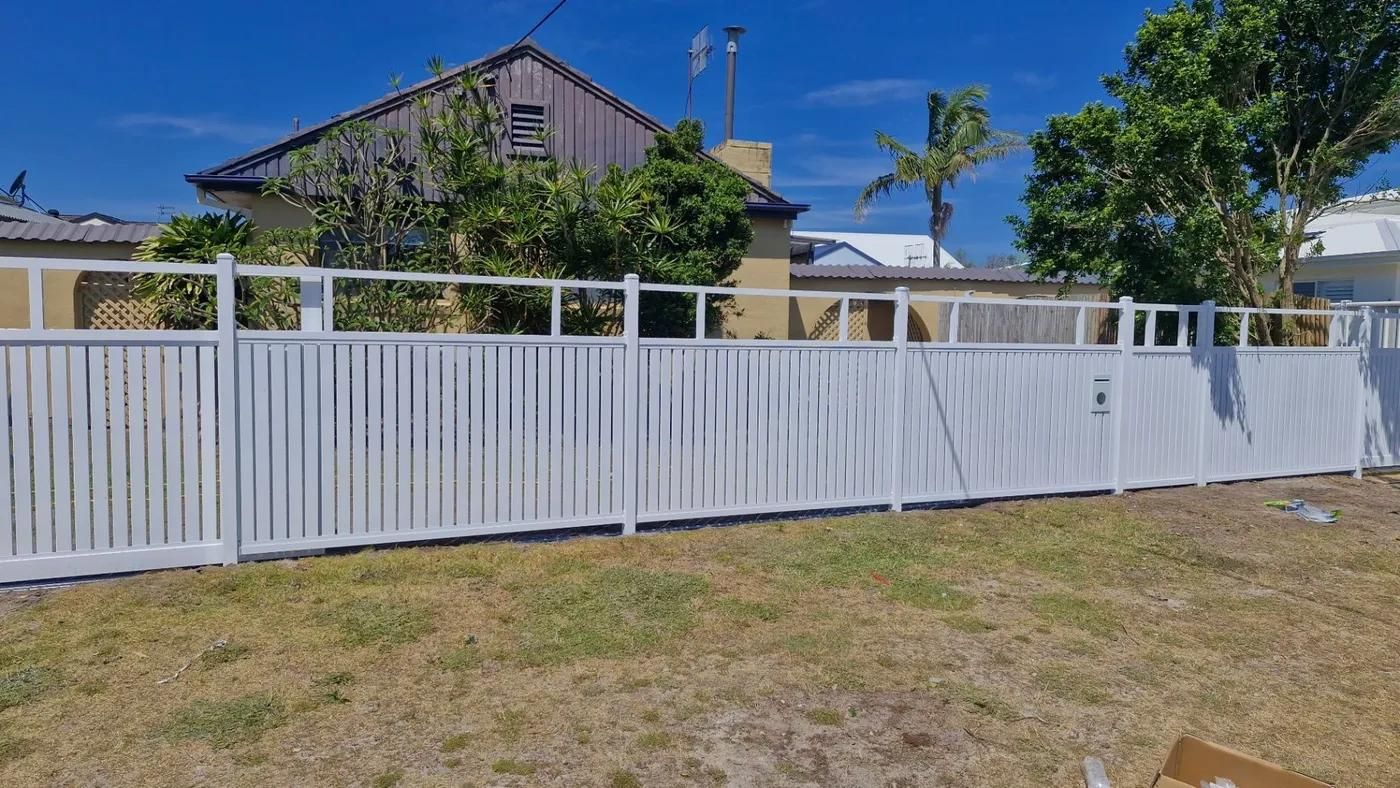
- Aluminium and slat fencing are low-maintenance options with strong visual appeal, ideal for contemporary home designs.
- Glass fencing is typically used around pools or patios to maintain open views while meeting safety standards.
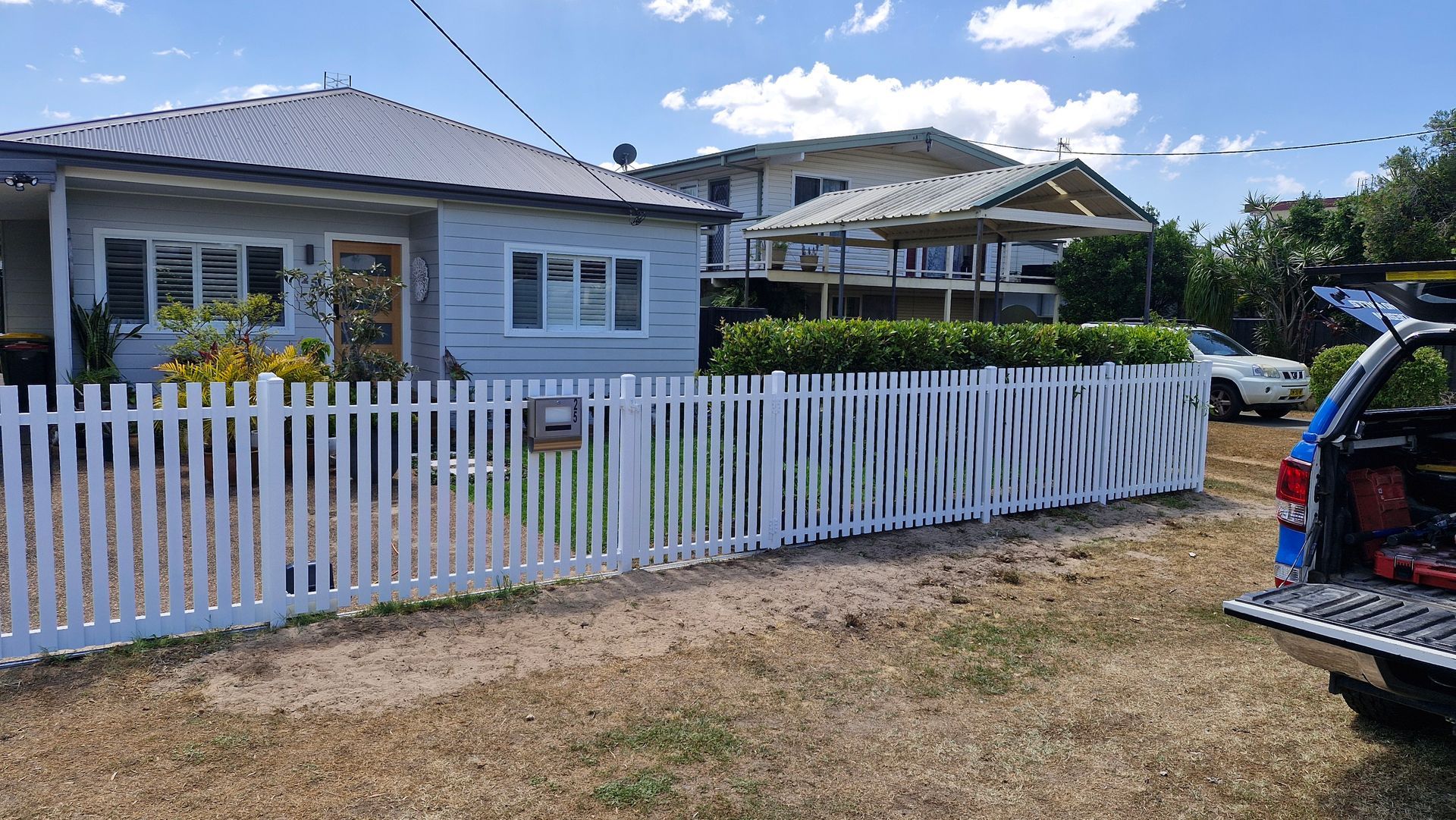
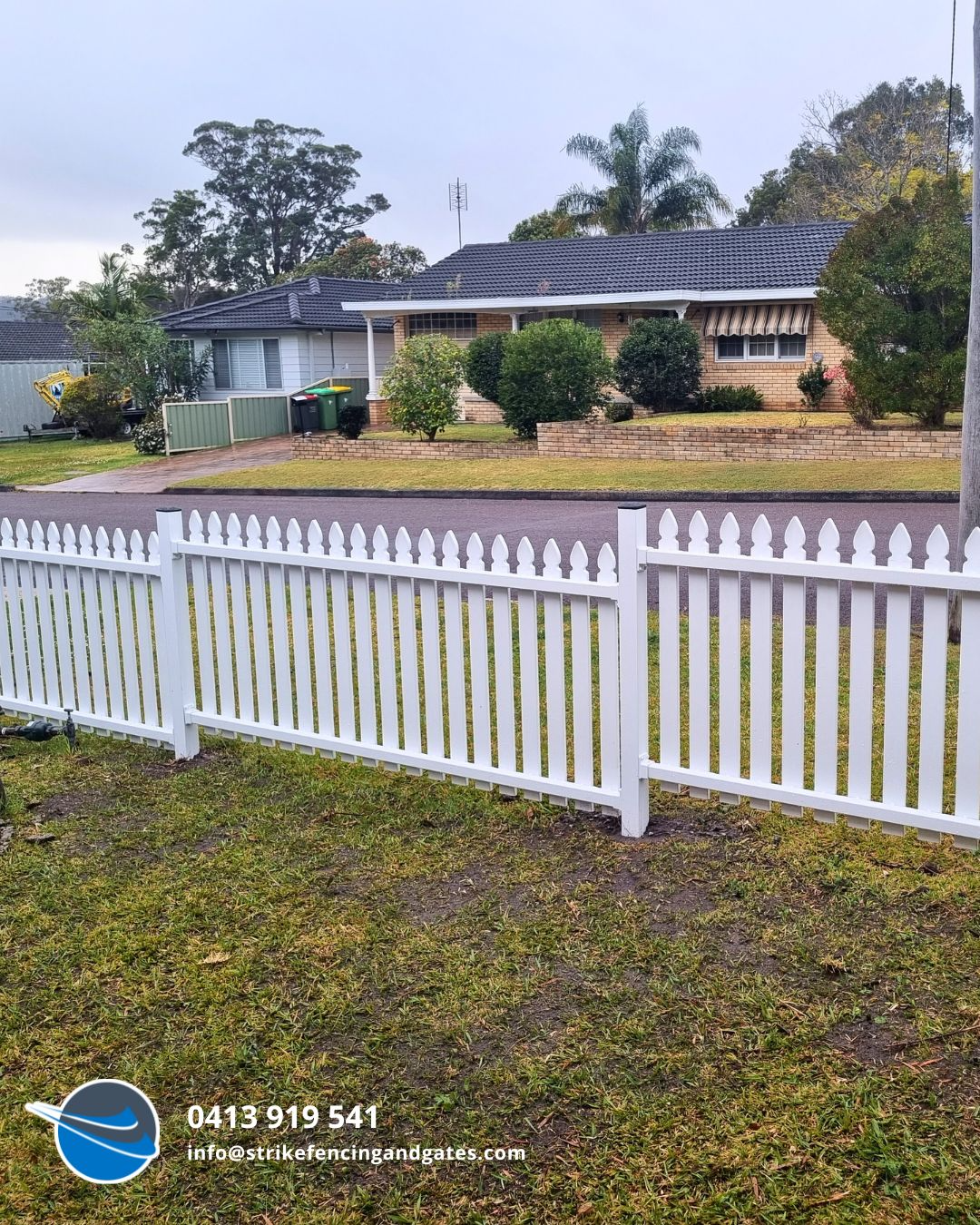
- PVC fencing offers a clean, white finish without the need for painting and resists rust, rot and termites.
Each type has its own pros and cons — and knowing your priorities will help narrow your options.
Matching Fencing Materials to Your Home and Climate
The Central Coast’s beautiful coastal lifestyle comes with exposure to salt air, seasonal storms and high humidity. This makes choosing the right fencing material not just a design decision, but also a consideration of maintenance and longevity.
When selecting fencing materials, consider:
- How well the material resists corrosion, especially if you're located close to the shoreline.
- Whether timber options have been treated to withstand moisture and pests like termites.
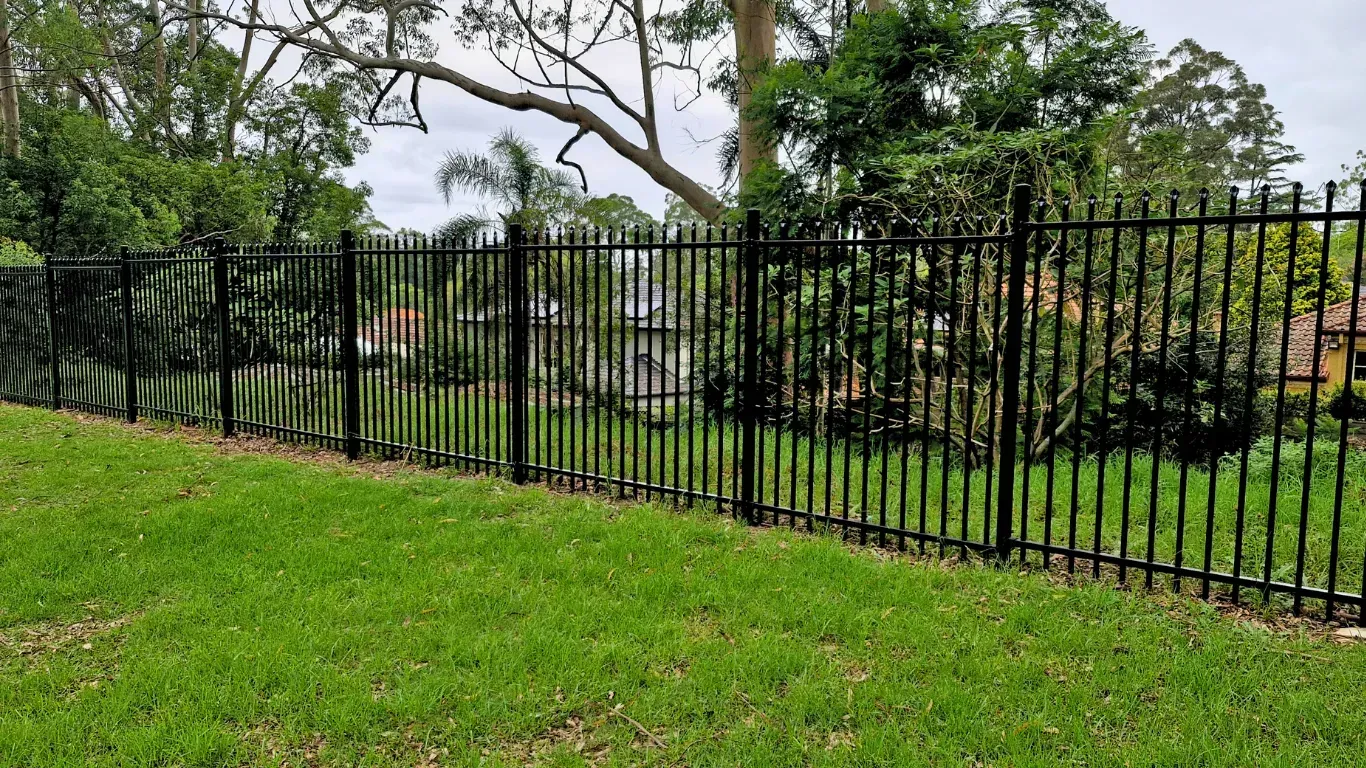
- Metal fences are coated or galvanised to prevent rusting over time.
- How colour choices may fade or maintain their finish under strong sunlight and ocean winds.
With the right advice from fencing contractors on the Central Coast, you'll be able to select materials built to handle local conditions without losing their good looks.
Balancing Privacy & Street Appeal in Your Fence Design
One of the most common challenges in fencing is finding the sweet spot between functional privacy and visual appeal. Homeowners often want to feel secure without making their property feel shut off or fortress-like.
To strike a good balance, consider these tips:
- Choose solid panels or slats with minimal gaps if privacy is your top concern.
- Go for taller fences in rear yards and shorter or more decorative styles along the front boundary.
- Use a mix of materials—like timber slats framed in aluminium—to blend warmth with structure.
- Incorporate plantings or hedges alongside fencing to soften the look and improve the feel of seclusion.
Your fence should look like a natural extension of your home—not an afterthought or an eyesore.
Council Regulations & Property Boundaries: What You Need to Know
Before you start digging post holes or ordering materials, it’s essential to be aware of local council guidelines. Every local area on the Central Coast may have different rules regarding height, placement, and neighbour agreements.
Some key points to check include:
- Whether your fence requires approval based on its height, especially for front boundary or corner blocks.
- The correct positioning of fencing on shared boundaries may require neighbour notification or cost-sharing discussions.
- Safety regulations around pool fencing or fencing adjacent to public walkways.
- Restrictions on materials or designs that might obstruct views or daylight for adjoining properties.
Professional fencing contractors on the Central Coast can help you navigate these rules and ensure your installation meets all compliance requirements.
Budgeting for the Best Value Without Cutting Corners
While fencing is a major feature of your home, it doesn’t have to break the bank. That said, the cheapest option isn’t always the most cost-effective in the long run. Prioritise long-term value over short-term savings.
When budgeting for your fencing project, consider:
- The full scope of work includes site clearing, demolition of old fencing, materials, and installation labour.
- Ongoing maintenance costs—some materials may be more affordable upfront, but need regular treatments or repairs.
- Warranty coverage and the expected lifespan of the materials you choose.
- Whether the design you want adds resale value or curb appeal, it may justify spending more now.
Choosing the best fencing on the Central Coast involves smart planning, not just choosing the lowest quote.
Why Professional Installation Makes All the Difference
It may be tempting to try a DIY fence installation, but without the right tools, experience and planning, things can go wrong fast. Fences need to be perfectly aligned, securely fixed, and compliant with property lines.
Here’s why hiring experienced fencing contractors on the Central Coast is a smart move:
- Your fence will be correctly installed the first time, reducing the risk of sagging, leaning or future repairs.
- Professional installers handle digging, alignment and tricky ground conditions with ease.
- They use industry techniques to secure posts and panels in all types of terrain or weather.
- You gain peace of mind from workmanship warranties and local knowledge of fencing regulations.
Quality installation isn’t just about appearances—it’s about safety, strength and long-term durability.
Choosing the Right Local Team for Best Results
Finding the right installer is the final (and perhaps most important) step in your fencing journey. A local, reliable team understands the regional climate, council rules, and neighbourhood expectations that come with building the best fencing on the Central Coast.
When comparing local fencing teams, look for:
- A proven track record of residential fencing projects in your area.
- Clear communication and transparent quoting practices.
- Support for both standard and custom fencing solutions based on your needs.
- Knowledge of Central Coast-specific requirements, like bushfire zoning or salt spray exposure.
A trusted local team won’t just build your fence—they’ll help you choose the right one for your home.
Ready to Build the Perfect Fence for Your Home?
At
Strike Fencing & Gates, we’re proud to offer the best fencing on the Central Coast, helping homeowners find the ideal solution for privacy, safety, and curb appeal. Our team of expert fencing contractors is ready to guide you through materials, design, compliance, and installation—ensuring your fence is built to last.
Contact us today.