Colorbond Fencing for Central Coast Homes
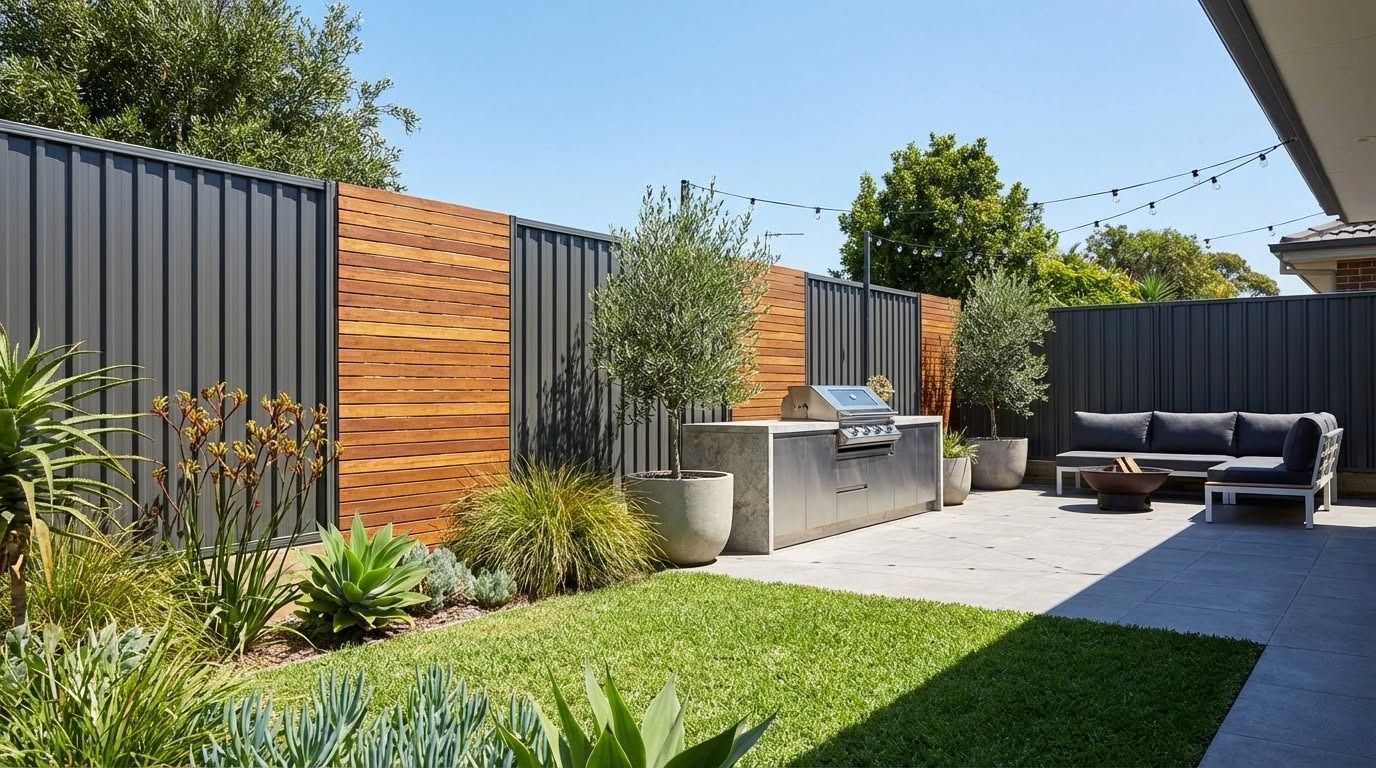
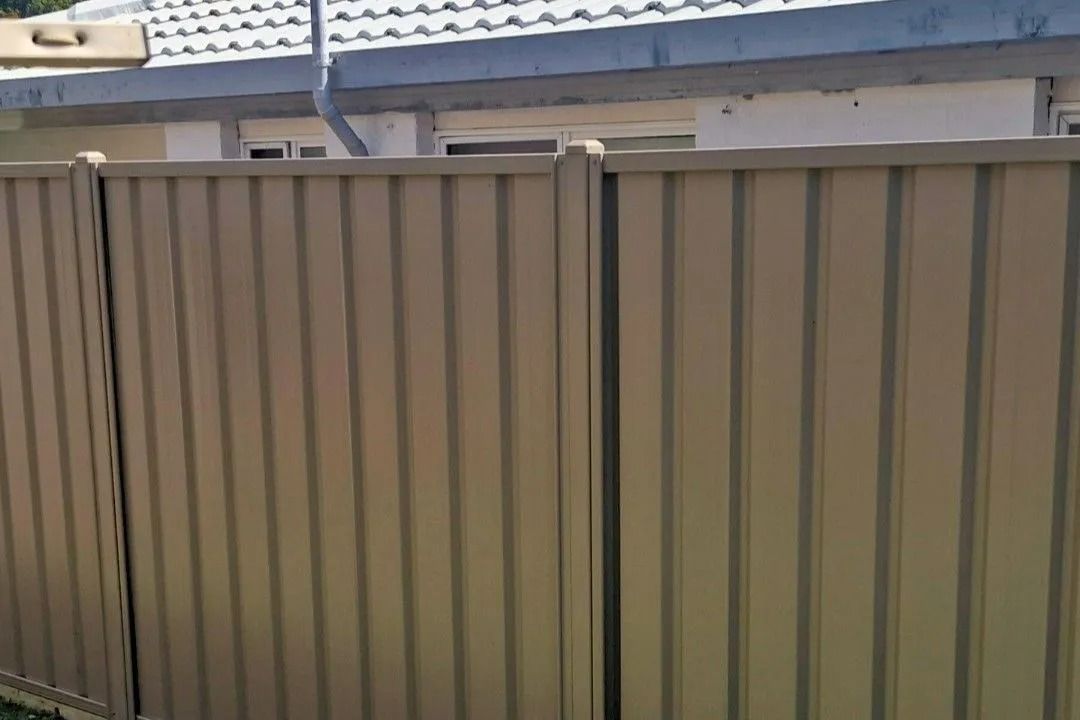
Colorbond steel is one of the most popular choices for Central Coast homes, and coastal conditions are a big reason why. The coated steel resists rust, rot and termite damage that shortens the life of untreated materials near the water, and the solid panels give complete privacy with no gaps for neighbours to see through. It sits in the mid-range on price, more than basic timber, but its low maintenance often makes it cheaper over the life of the fence, since there's no oiling, painting or board replacement. It's best suited to boundary and privacy fencing where durability and a clean, modern finish matter. The main trade-off is appearance: some homeowners prefer a more natural look than steel provides. If durability with minimal upkeep is your priority,
Colorbond fencing is usually the strongest all-round option on the Coast.
Timber Boundary Fencing
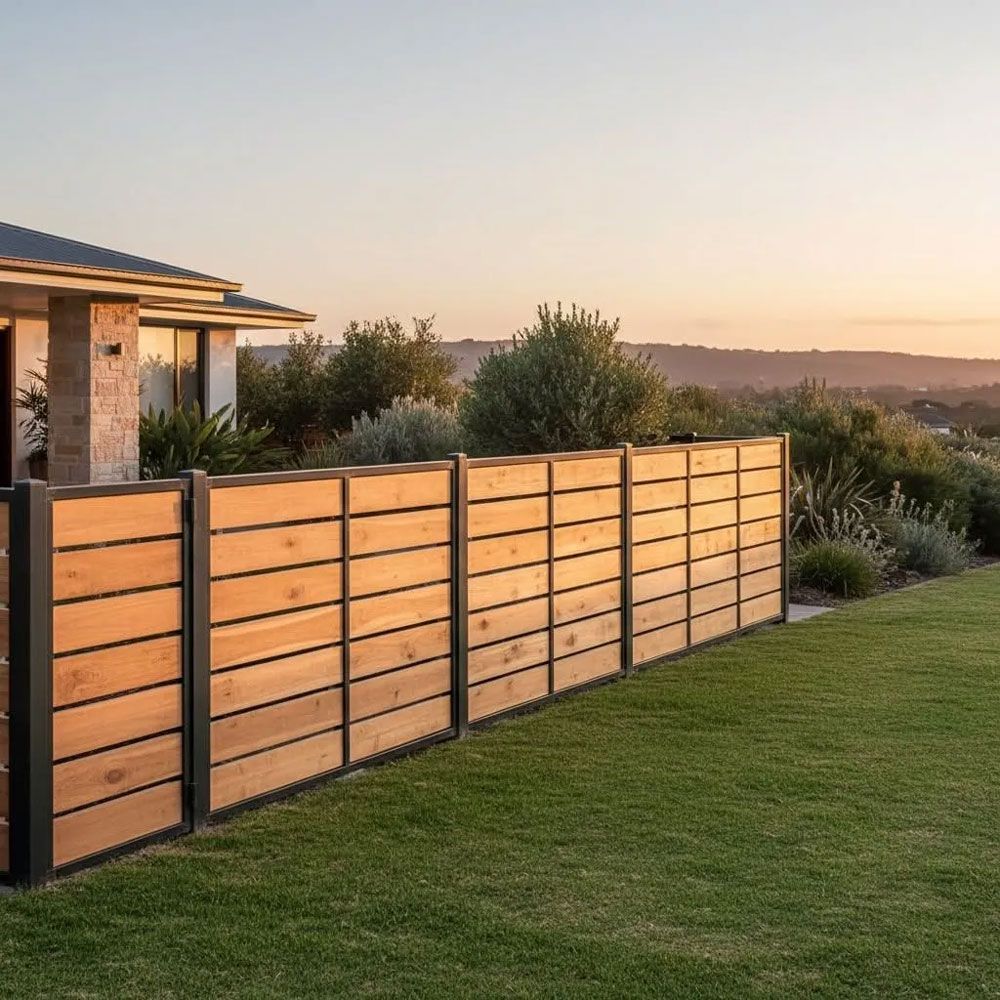
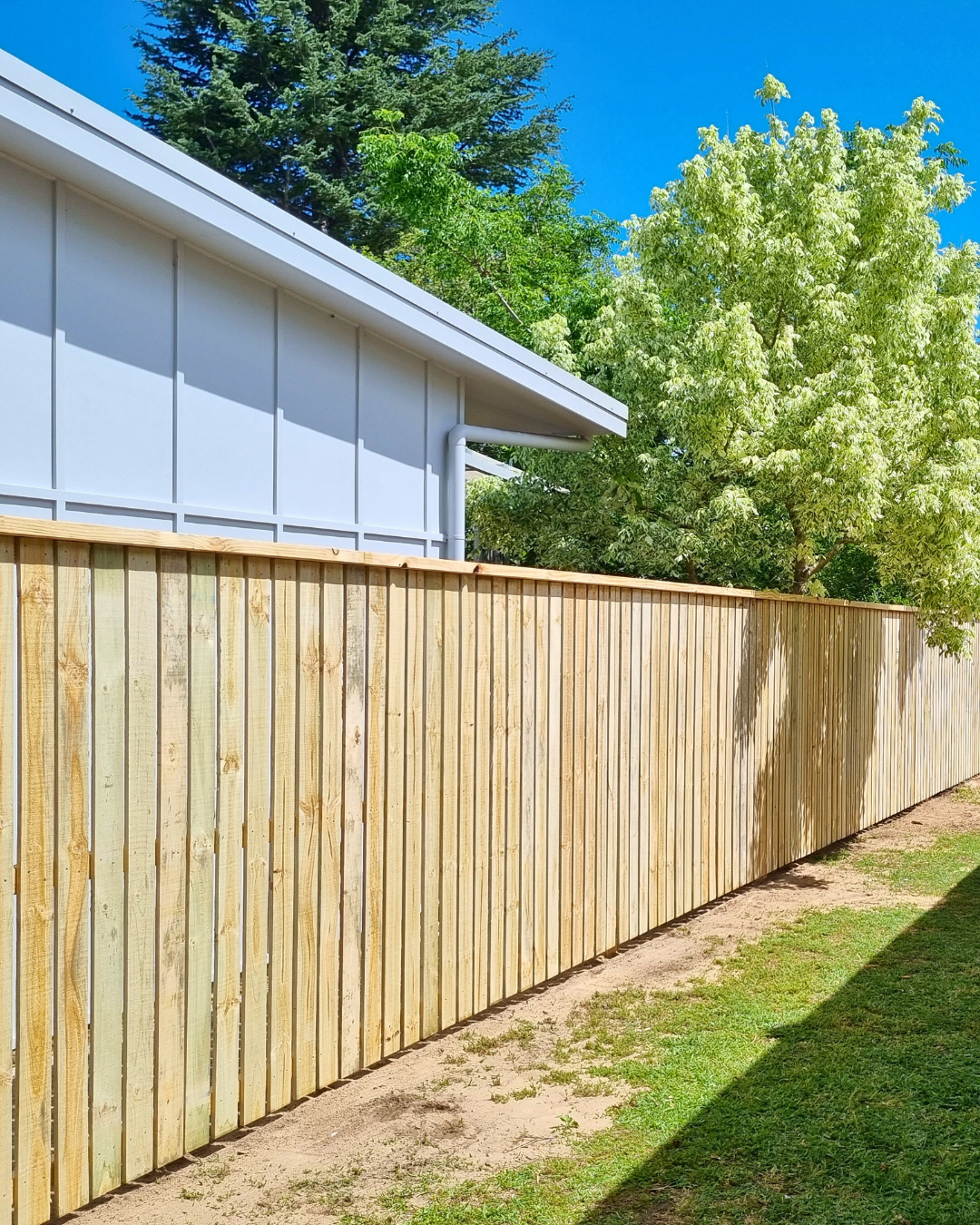
Timber remains a favourite for traditional and natural-style properties, and for large boundaries where cost per metre matters. Treated pine is the most budget-friendly option, while hardwood paling fences cost more but last longer and resist warping better. Timber blends naturally with gardens and established landscaping in a way steel and aluminium can't quite match. The honest trade-off in a coastal climate is maintenance: timber needs periodic sealing or oiling to hold up against moisture and salt, and even well-maintained timber generally won't outlast Colorbond or aluminium. For homeowners who want warmth and a natural finish and don't mind the upkeep,
timber fencing is a long-standing Central Coast choice.
Aluminium Slat Fencing
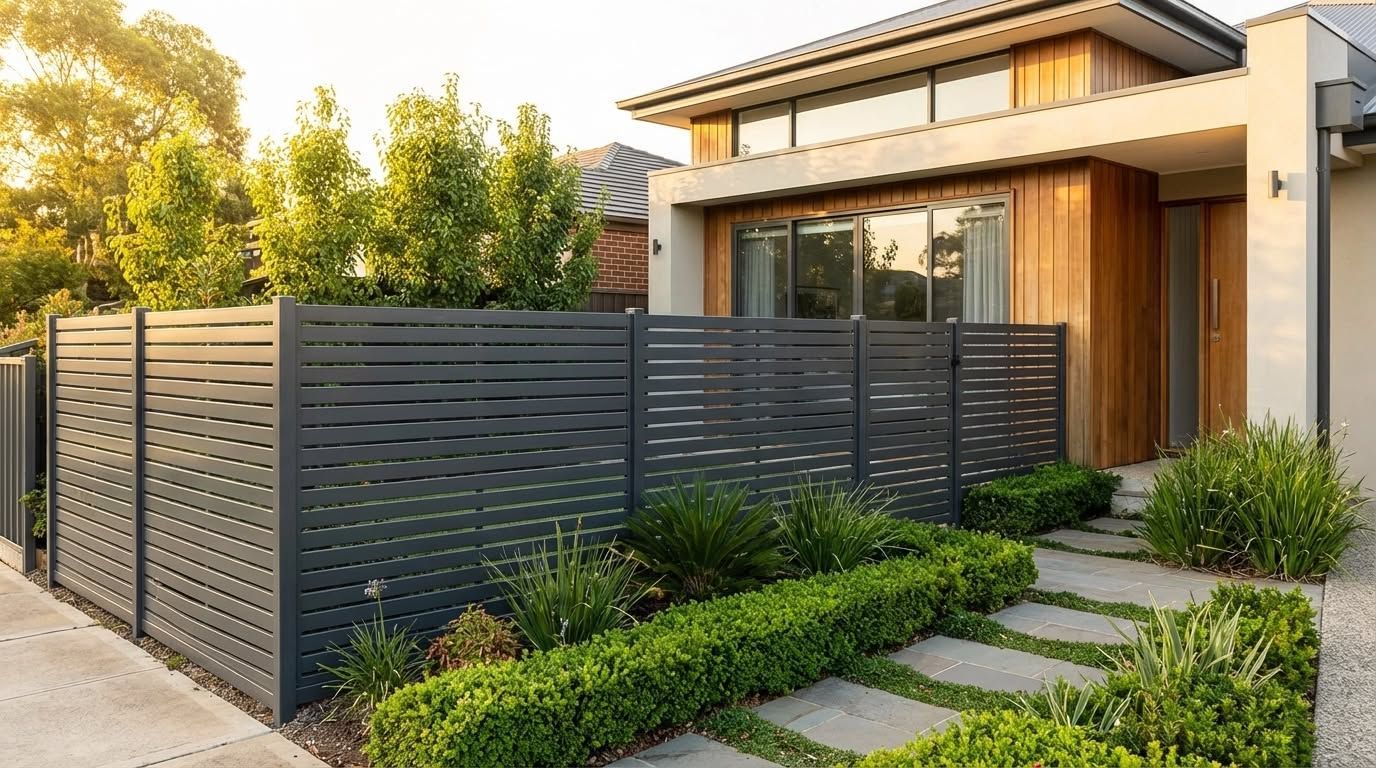
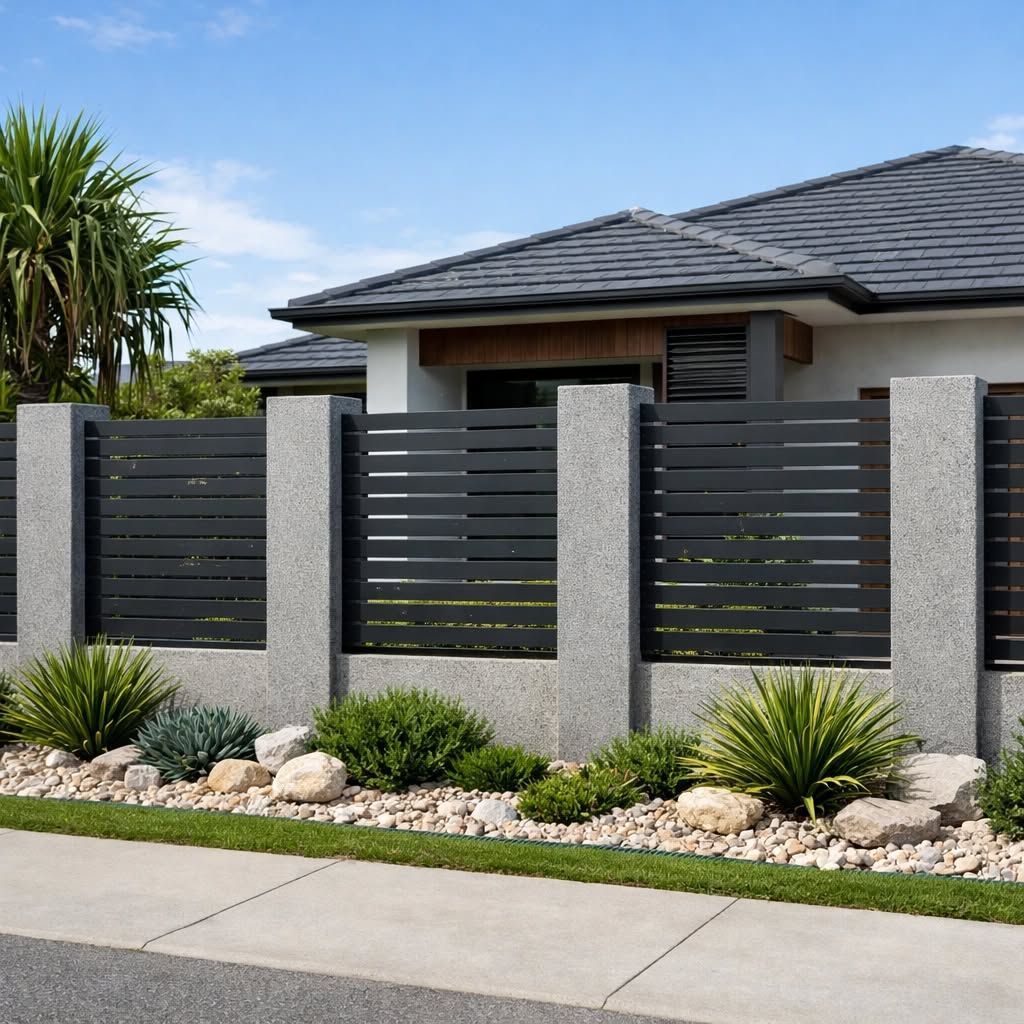
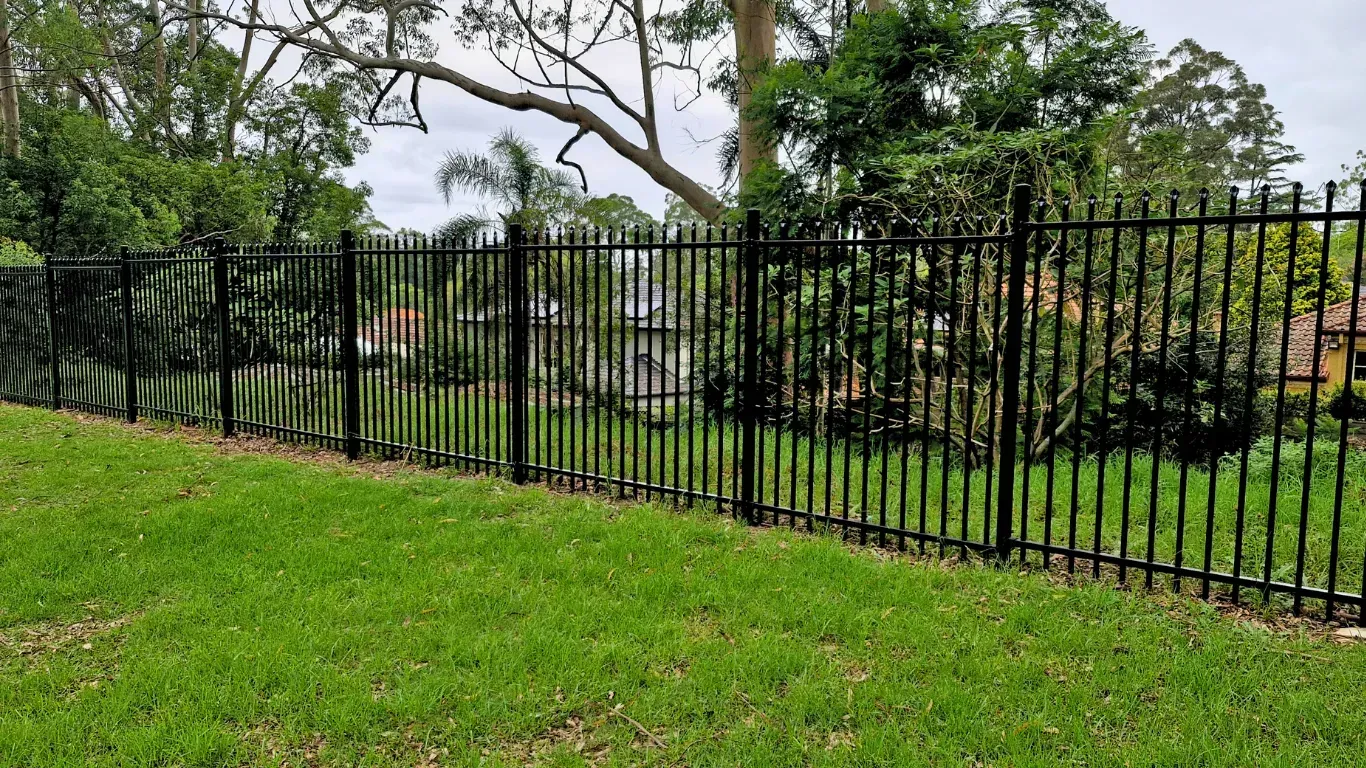
Aluminium slat fencing has become increasingly common on contemporary Central Coast homes because it pairs a sleek, architectural look with very low maintenance. Unlike timber it won't rot, warp or need resealing, and it resists the corrosion that affects many materials close to the water, which makes it a strong pick for properties near the beach or an estuary. The slat design also gives you control over the balance between privacy and airflow: tighter spacing for screening, wider for a more open feel and better breeze through the yard. It typically costs more upfront than timber, but the near-zero maintenance closes that gap over time. It works well for both feature front fences and full boundaries, so
aluminium slat fencing suits homeowners chasing a modern finish without ongoing upkeep.
Glass Pool Fencing
If you have a pool, glass fencing is one of the best options for combining safety with an open, unobstructed view of the yard and pool area. It's made from toughened safety glass built to be strong and weather-resistant, and it's designed to meet NSW pool safety regulations, which are non-negotiable, so compliance should drive this decision as much as looks. Frameless and semi-frameless styles give a clean, modern finish that suits outdoor entertaining areas, while framed glass is a more budget-friendly route to the same safety standard. For Central Coast homeowners who want their pool area to feel open rather than walled off,
pool fencing in glass is usually the answer.
Choosing the Right Fencing Contractor on the Central Coast
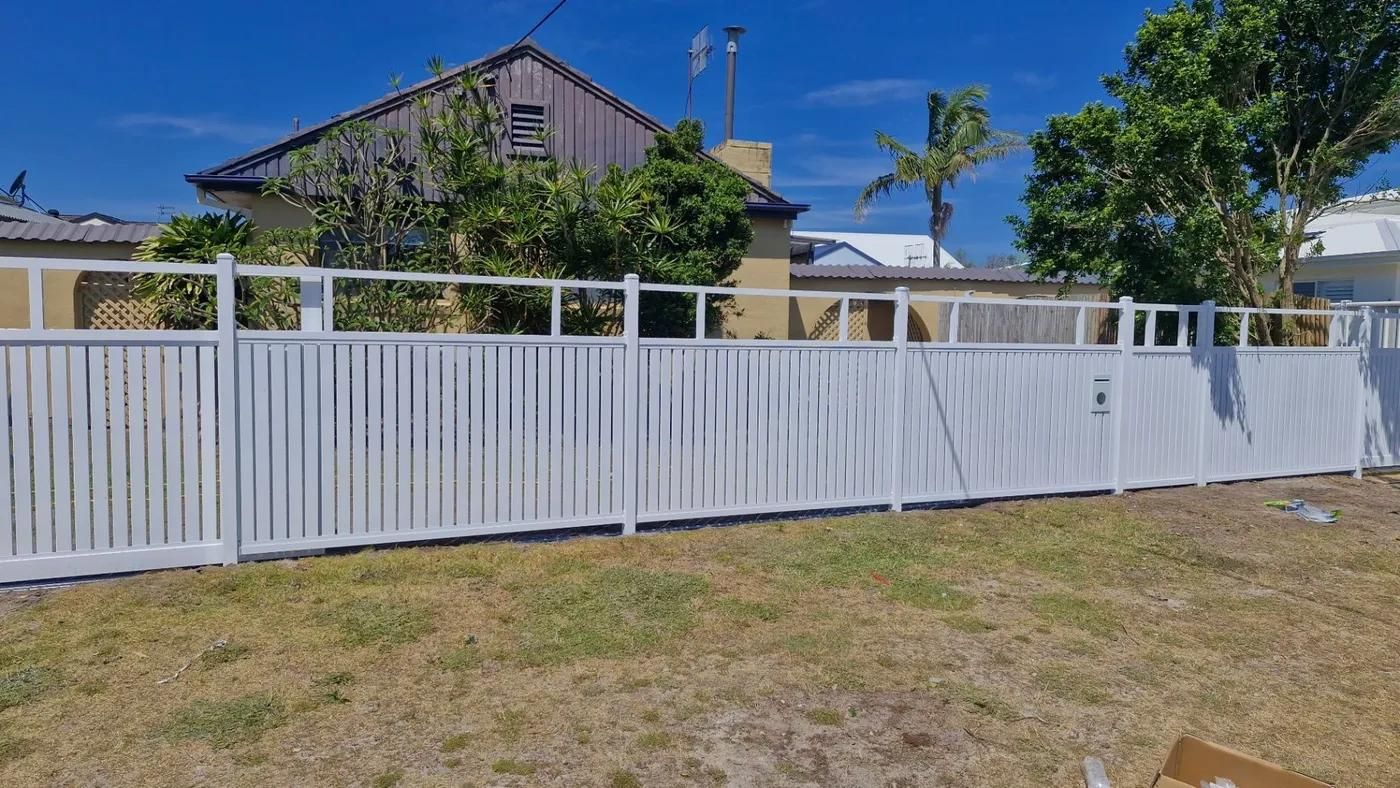
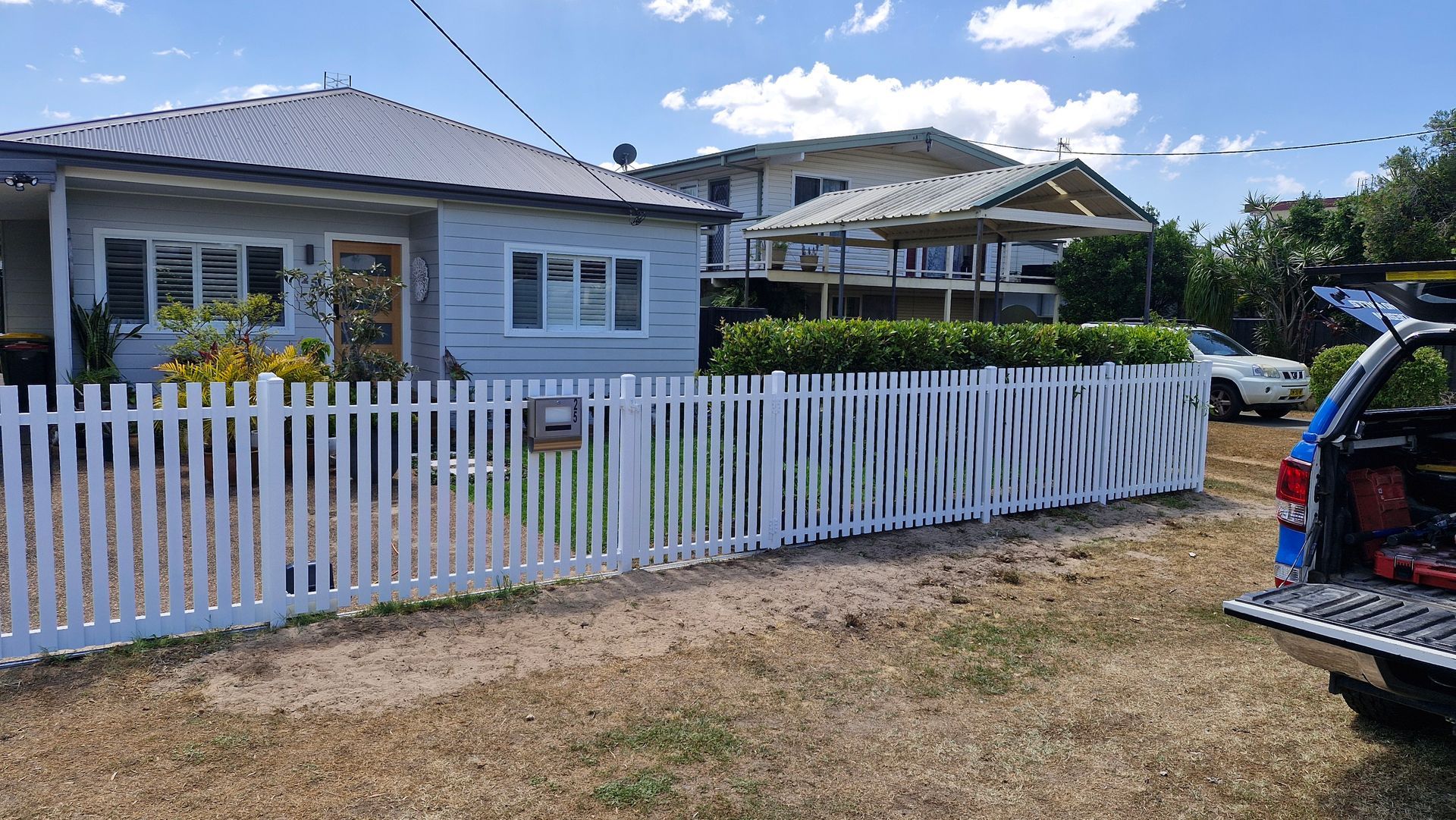
Whichever material you pick, installation quality determines how well the fence performs and how long it lasts, particularly in coastal conditions where poor footings or fixings fail faster. An experienced local installer will also know the relevant NSW height rules and pool-fencing regulations, and can advise which material suits your block's exposure, slope and aspect. Strike Fencing & Gates installs Colorbond, timber, aluminium and pool fencing across the Central Coast,
contact us for advice and a free quote.
Frequently Asked Questions
What is the cheapest fencing option on the Central Coast?
Treated pine timber paling is usually the cheapest fencing to install per metre, which is why it's popular for large boundary runs. Colorbond sits mid-range but often costs less over the fence's life because it needs no oiling, painting or board replacement. Glass pool fencing and custom aluminium are the most expensive.
How high can a fence be on the Central Coast before you need council approval?
In most of NSW, standard boundary fences up to 1.8m generally don't need council approval when they meet the relevant height and setback rules. Front fences and pool fencing have stricter requirements, and pool fencing must meet Australian safety standards. Always confirm with Central Coast Council for your specific block, as final approval is the homeowner's responsibility.
Does Colourbond or aluminium last longer near the Coast?
Both perform well in coastal conditions. Aluminium is naturally corrosion-resistant and, when powder-coated, handles salt air and humidity with minimal upkeep. Colorbond steel is coated to resist rust and is highly durable, though in very exposed beachfront positions aluminium has a slight edge on corrosion. Both far outlast untreated timber near the water.