Security Fencing on the Central Coast: What to Consider Before You Buy


By Strike Fencing & Gates July 23, 2026

If you're weighing up security fencing, the material isn't the first decision that matters, the height and top-rail design are. Get those two things right and even a mid-range fence will outperform an expensive one that's the wrong height or has the wrong profile at the top. As a fencing on the Central Coast specialist, we see the same question come up whether the property is a family home or a commercial yard: how much security does this fence actually provide?


This guide walks through what "security" fencing actually means, how the main types compare, and what to check before you request a quote.

Fencing On The Central Coast

What Counts as 'security' Fencing?

Not every fence marketed as "security fencing" delivers the same outcome. In practice, a fence only earns that label if it does three things: deters casual intrusion, resists climbing or forced entry, and maintains a clear sightline for anyone monitoring the property. A timber paling fence, for instance, offers privacy and a boundary marker, but it's not a security fence. It can be kicked through, climbed easily using the rails as footholds, and it blocks the very sightlines that help detect an intrusion in progress. Genuine security fencing is built around controlling access and visibility at the same time, which is why height, spacing and top treatment matter more than the base material.

Why Height and Top-rail Design Matter More Than Material

A 1.8 metre aluminium fence and a 1.8 metre Colorbond fence provide roughly the same deterrent value at that height. Push either to 2.1 or 2.4 metres and the difficulty of scaling it increases sharply, regardless of what it's made from.


Top-rail design does the rest of the work. A flat or rounded top rail offers no grip and makes climbing awkward. Anti-climb spikes or a splayed top add a further deterrent for higher-risk sites. Palisade fencing is popular for exactly this reason, its pointed pales create a visual and physical deterrent that flat-topped fencing doesn't.


If you're comparing security fencing on the Central Coast for a commercial or residential property, the height and top-rail design will have the biggest impact on your overall security outcome.

Comparing the Main Security Fencing Types

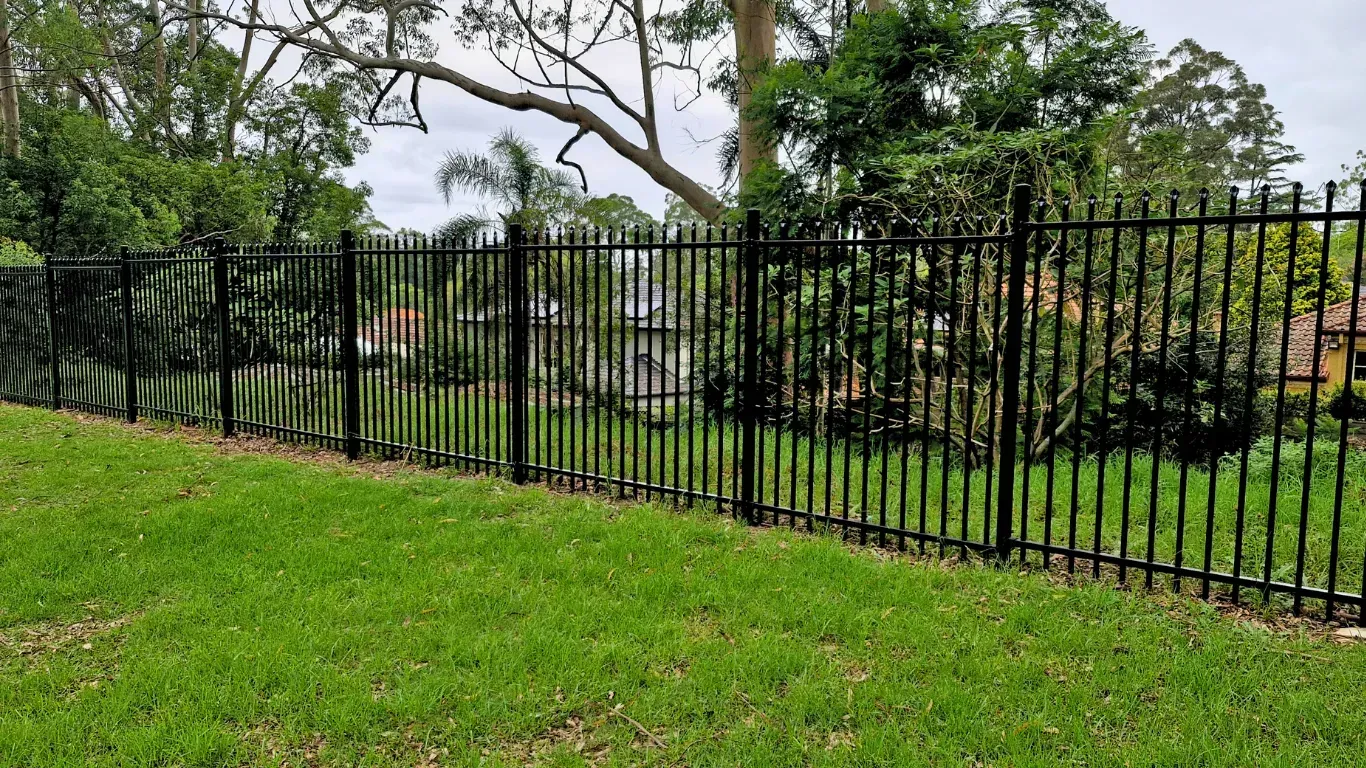
Aluminium palisade – vertical steel or aluminium pales with pointed or shaped tops. Strong visual deterrent, good airflow and sightlines, common on commercial and industrial boundaries.


Colorbond steel – solid steel sheeting with no footholds or gaps. Excellent for privacy alongside security, widely used on residential boundaries.


Chain mesh (chainwire) – galvanised or PVC-coated mesh, often topped with barbed wire or razor wire on high-security commercial sites. Cost-effective for large perimeters where privacy isn't the priority.


Steel tube and mesh combinations – a tubular steel frame infilled with weld mesh. Common on schools, substations and utility sites where visibility and durability both matter.


Each type suits a different risk profile. A suburban home rarely needs chain mesh with barbed wire, and a substation rarely needs the privacy of solid Colorbond.

Palisade vs Colorbond: Which is Right for Your Property?

This is the comparison we get asked about most often, and the honest answer depends on what you're protecting against. Palisade fencing is harder to climb due to its pointed top and the fact there's nothing solid to get a foothold or leverage against. It also lets you see straight through the fence line, which matters for commercial sites where staff or security patrols need visibility of the perimeter. The trade-off is that it doesn't offer privacy. Colorbond removes sightlines into the property entirely, which is a deterrent in its own right, an intruder can't case the property from the street. It also offers no visible footholds when installed correctly with capped posts. The trade-off is that once someone is over the top, there's no visibility back out. For residential properties where security is important but privacy is the primary goal, boundary fencing options like Colorbond provide a solid perimeter without the industrial look of palisade.

Security fencing for commercial properties on the Central Coast

Commercial sites carry different requirements again. A yard storing plant or stock, a warehouse, or a facility with public access all have different risk profiles, and often specific compliance obligations tied to insurance or industry regulation. For commercial sites, our commercial fencing solutions are designed to meet both security and compliance requirements, with options available in a range of heights and finishes. As an example, a distribution yard on the Central Coast might combine 2.4 metre palisade fencing along the street frontage for visibility and deterrent, with Colorbond along a side boundary shared with a residential neighbour to manage privacy and noise.

Insurance and perimeter security standards

Commercial insurance policies increasingly reference perimeter security as a condition of cover, particularly for sites storing high-value stock, vehicles or equipment. According to industry best practice, this typically means a minimum fence height, a locked and monitored access point, and no obvious climb points such as adjoining structures or stacked materials near the fence line.


It's worth checking your policy wording, or asking your insurer directly, before finalising a fence design. A fence that looks secure but doesn't meet your insurer's specific height or access requirements can create a gap in cover you don't discover until it matters.

What to check before you request a quote

Before you contact a fencing supplier, it helps to have answered:


  • What's the primary goal: security, privacy, or both?
  • What height does your insurer or council require, if any?
  • Are there existing structures near the boundary that could be used to climb over?
  • Does the property need clear sightlines (commercial) or full privacy (residential)?
  • What's the total perimeter length, and are there gates or vehicle access points to factor in?


Having these answers ready means a quote can be scoped accurately the first time, rather than being revised once site conditions or requirements come to light.


Getting these details sorted before you speak to a supplier means the quote you receive reflects your actual site and risk profile, not a generic fence package. If you'd like a second opinion on what height, material or top-rail design suits your property, Strike Fencing and Gates can talk it through based on the specifics of your site rather than a one-size-fits-all recommendation.

Frequently Asked Questions

  • What is the minimum height for security fencing in Australia?

    There's no single national minimum, requirements vary by council, insurer and site use. Residential security fencing commonly starts around 1.8 metres, while commercial and industrial sites often require 2.1 to 2.4 metres.

  • Is palisade fencing more secure than Colorbond?

    Palisade is generally harder to climb due to its pointed top and lack of footholds, and it preserves sightlines. Colorbond is harder to see through but can be climbed if not installed with capped, smooth posts. The better choice depends on whether visibility or privacy matters more for your site.

  • Can chain mesh fencing be used for residential security?

    It can, but it's less common for homes because it offers no privacy and a less finished appearance. It's more typically used for large commercial or rural boundaries where cost per metre is a bigger factor.

  • Does fence height affect insurance premiums?

    It can, particularly for commercial policies covering stock, equipment or vehicles. Some insurers set minimum perimeter security standards as a condition of cover, so it's worth checking your policy directly.

  • How long does security fence installation typically take?

    This depends on perimeter length, ground conditions and fence type, but most residential installations are completed within a few days once materials are on site. Commercial projects with longer boundaries or gate automation take longer.

  • Should I choose material based on the neighbourhood or the property's specific risk?

    The property's specific risk matters more. A quiet street doesn't necessarily mean lower risk if the property has high-value contents, vehicles, or stock. Match the fence to what's being protected, not just the surrounding area. We've covered the full range of fencing materials suited to Central Coast conditions in our 2026 guide, which is a good starting point if you're still weighing up your options.

Latest Posts

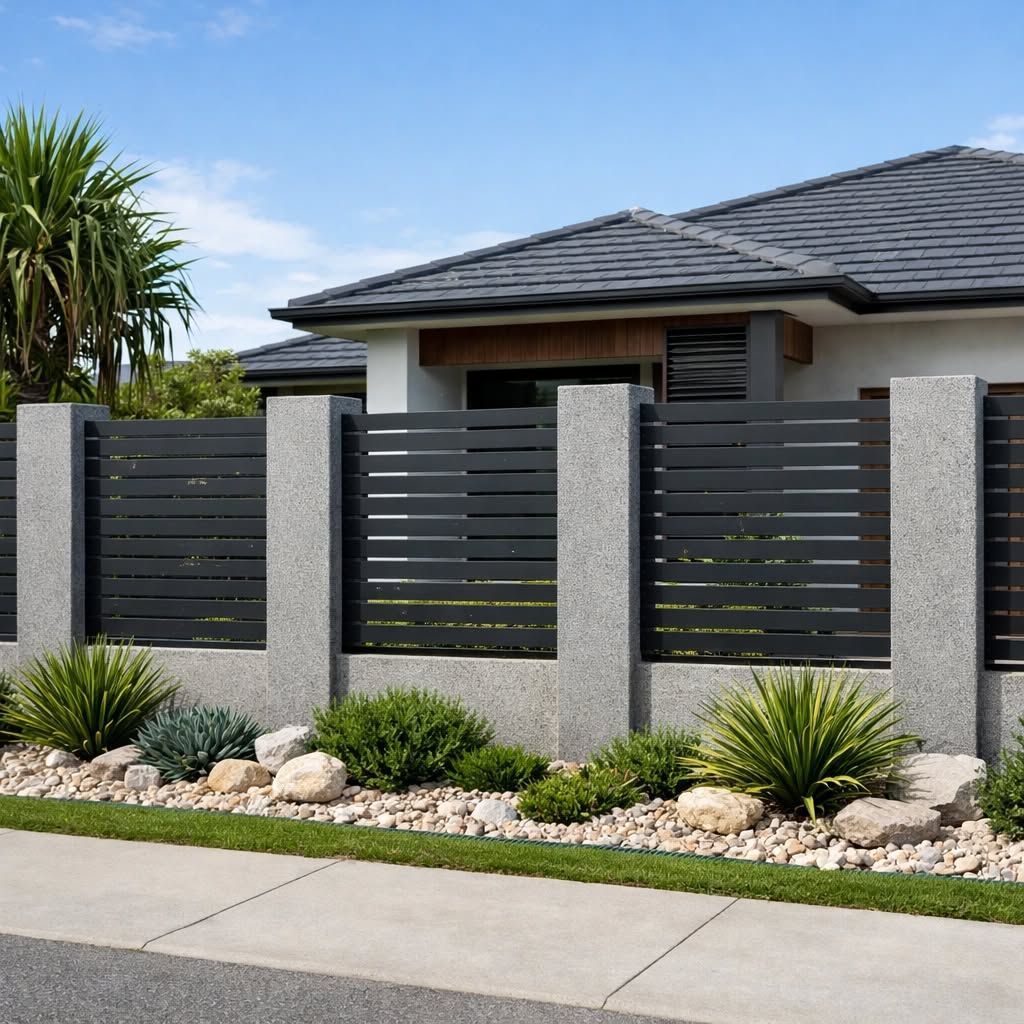
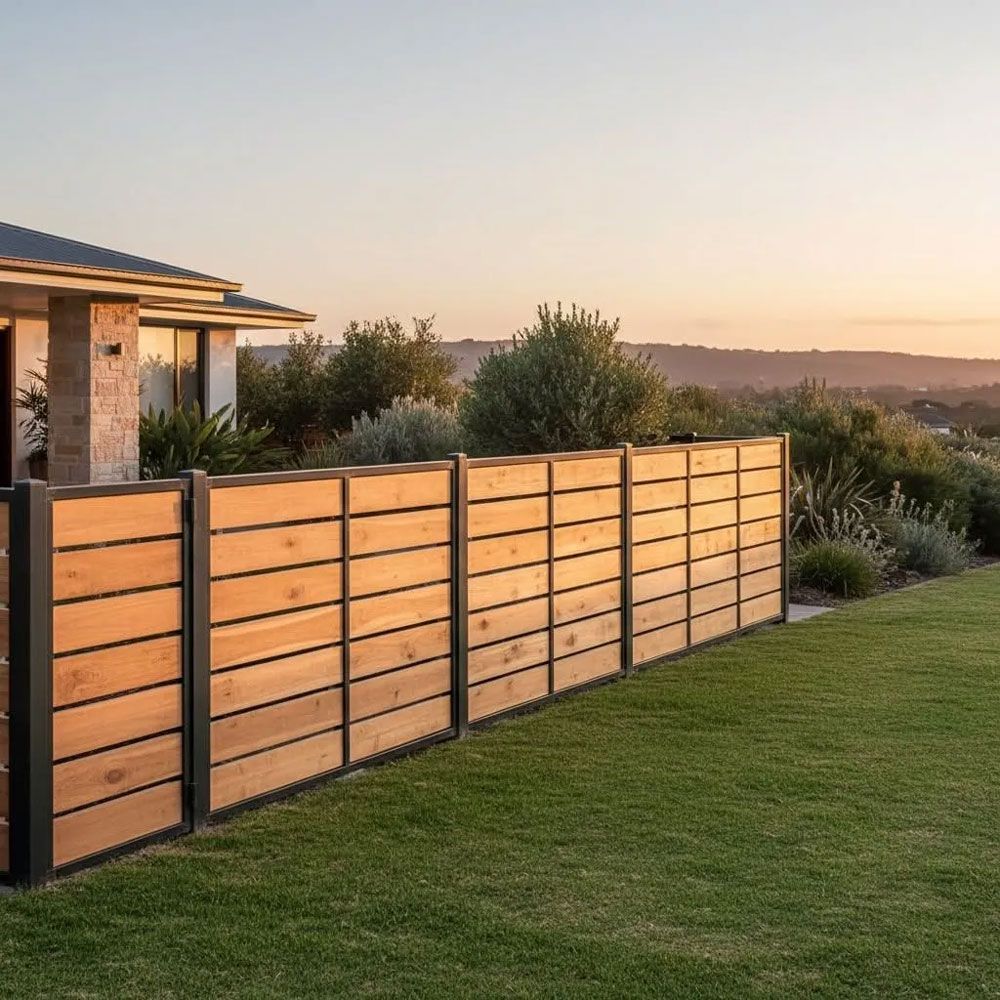
Modern House With Grey Roof And Minimalist Fence
By Strike Fencing & Gates March 31, 2026
Compare fencing in Central Coast costs with our local pricing guide and expert insights. Read now and request your personalised quote.
A Trend Fencing On The Central Coast
By Strike Fencing & Gates March 18, 2026
Upgrade your property with modern fencing on the Central Coast. Discover 2026 trends, privacy options, durable materials & expert installation.
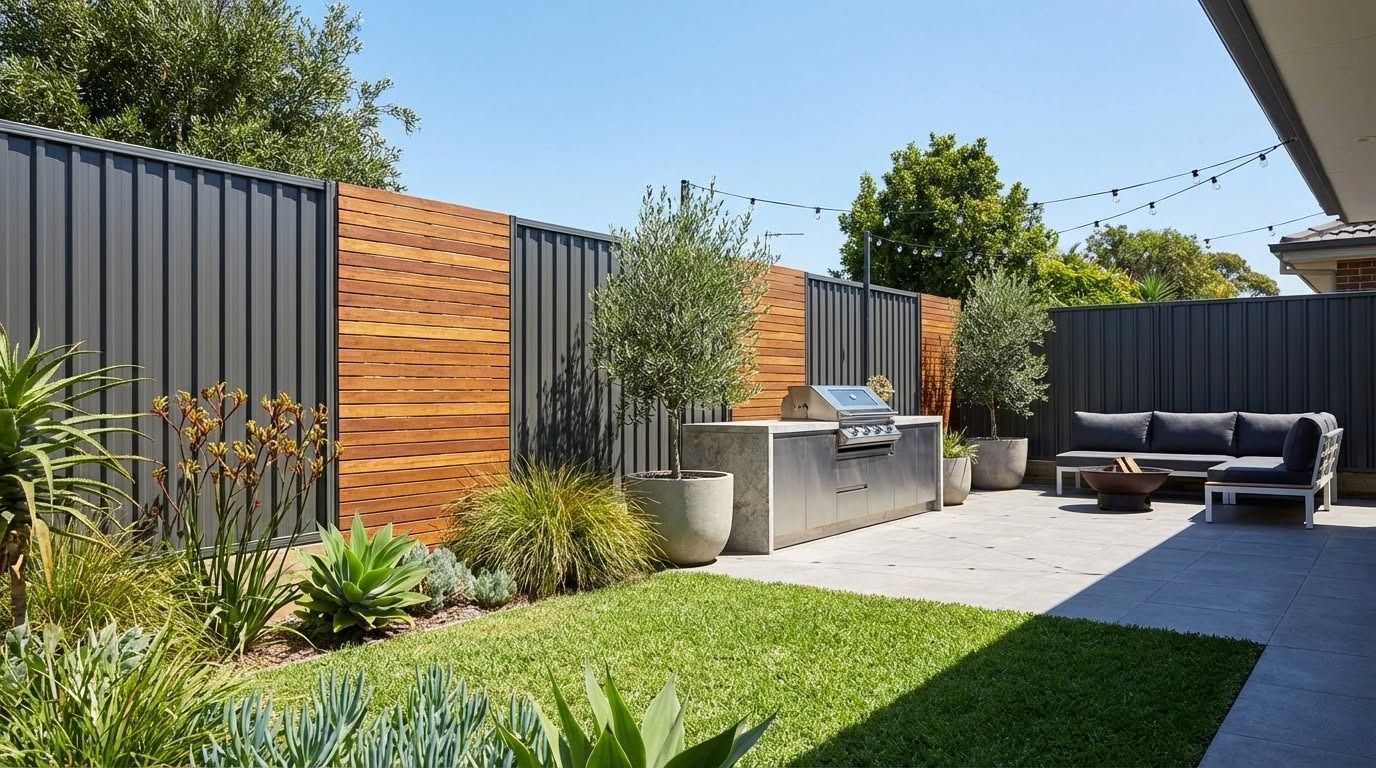
Black Gosford Fencing
By Strike Fencing & Gates March 6, 2026
Choosing the right fence for your property is an important decision for homeowners in Gosford. A well-designed fence improves privacy, security, and more.
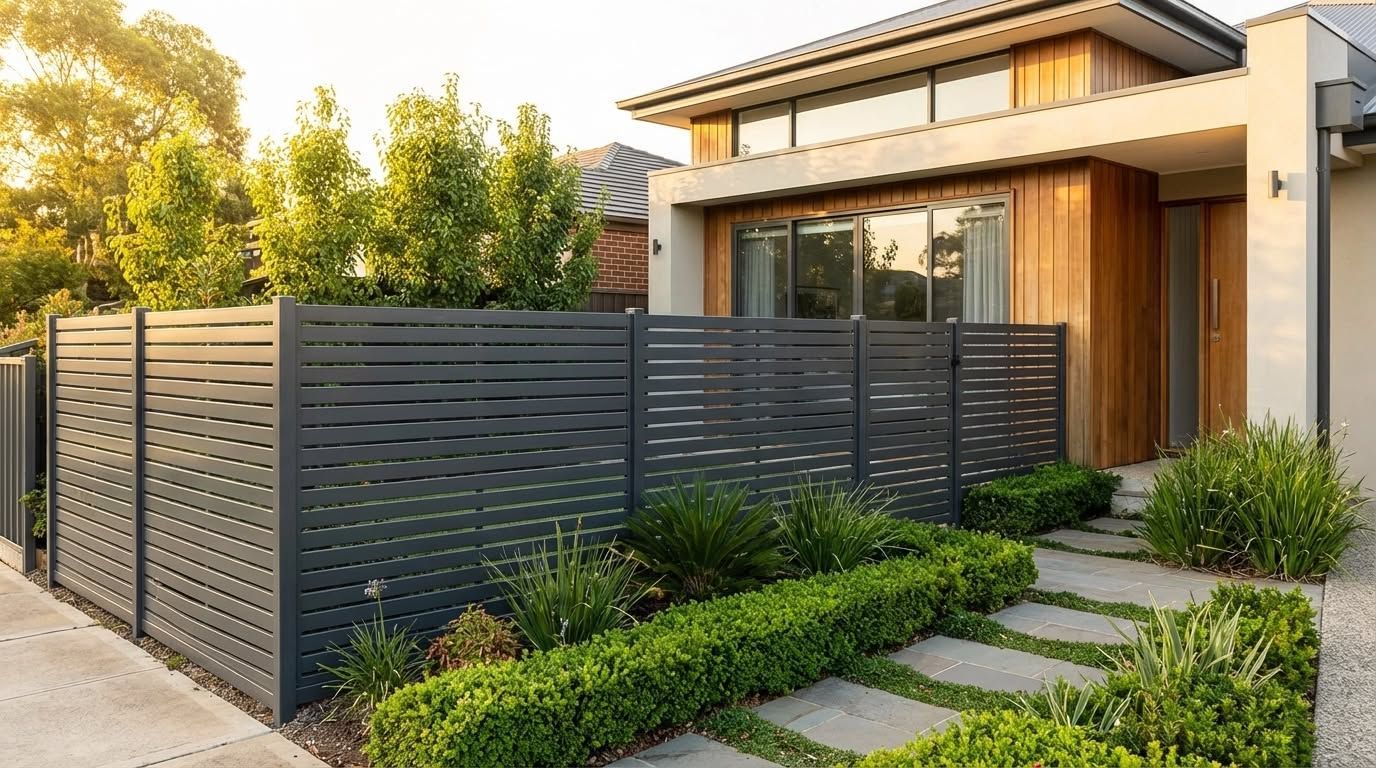
Modern dark grey aluminium slat fencing outside a contemporary Central Coast house with landscaped garden.
By Strike Fencing & Gates March 5, 2026
Comparing Colorbond, timber, aluminium slat and glass pool fencing for a Central Coast home? See how each handles salt air, coastal wind, cost and maintenance.
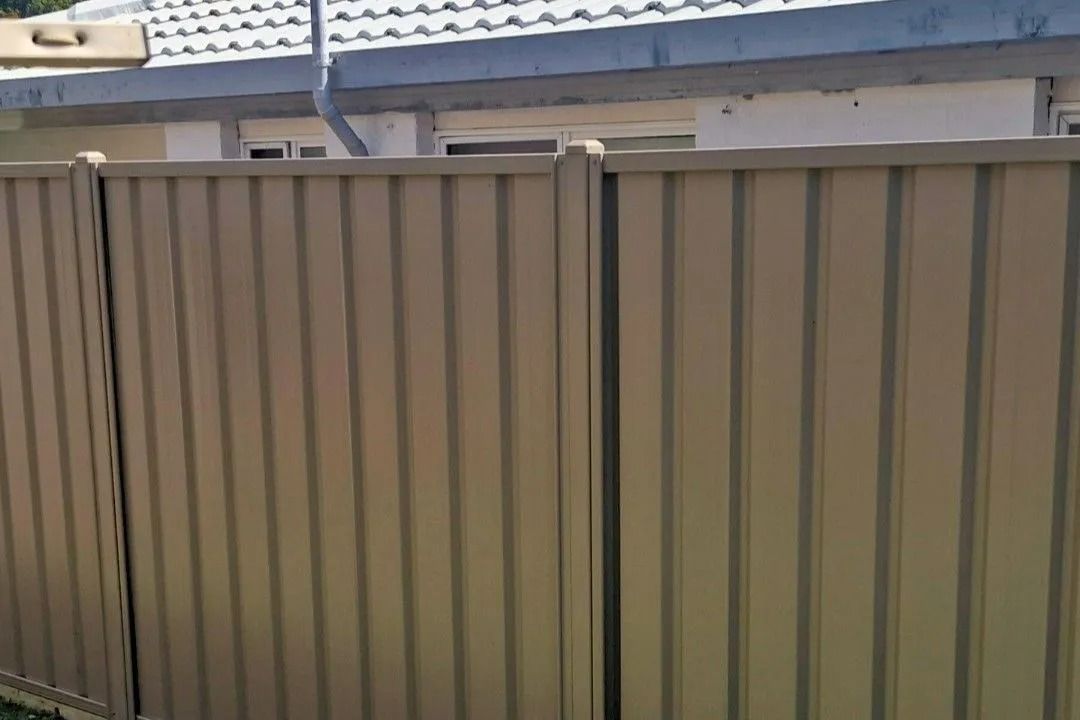
Beige Corrugated Metal Fence in Front of a White Building — Strike Fencing & Gates In Tuggerah, NSW
By Strike Fencing & Gates January 16, 2026
Learn colorbond fence cost and fencing on the Central Coast, what affects pricing and how to budget smart. Read the guide today.
Black Metal Fence on Green Grass — Strike Fencing & Gates In Tuggerah, NSW
By Strike Fencing & Gates December 8, 2025
Compare best fencing options with expert fencing advice from skilled fencing contractors on the Central Coast and take action to upgrade today.
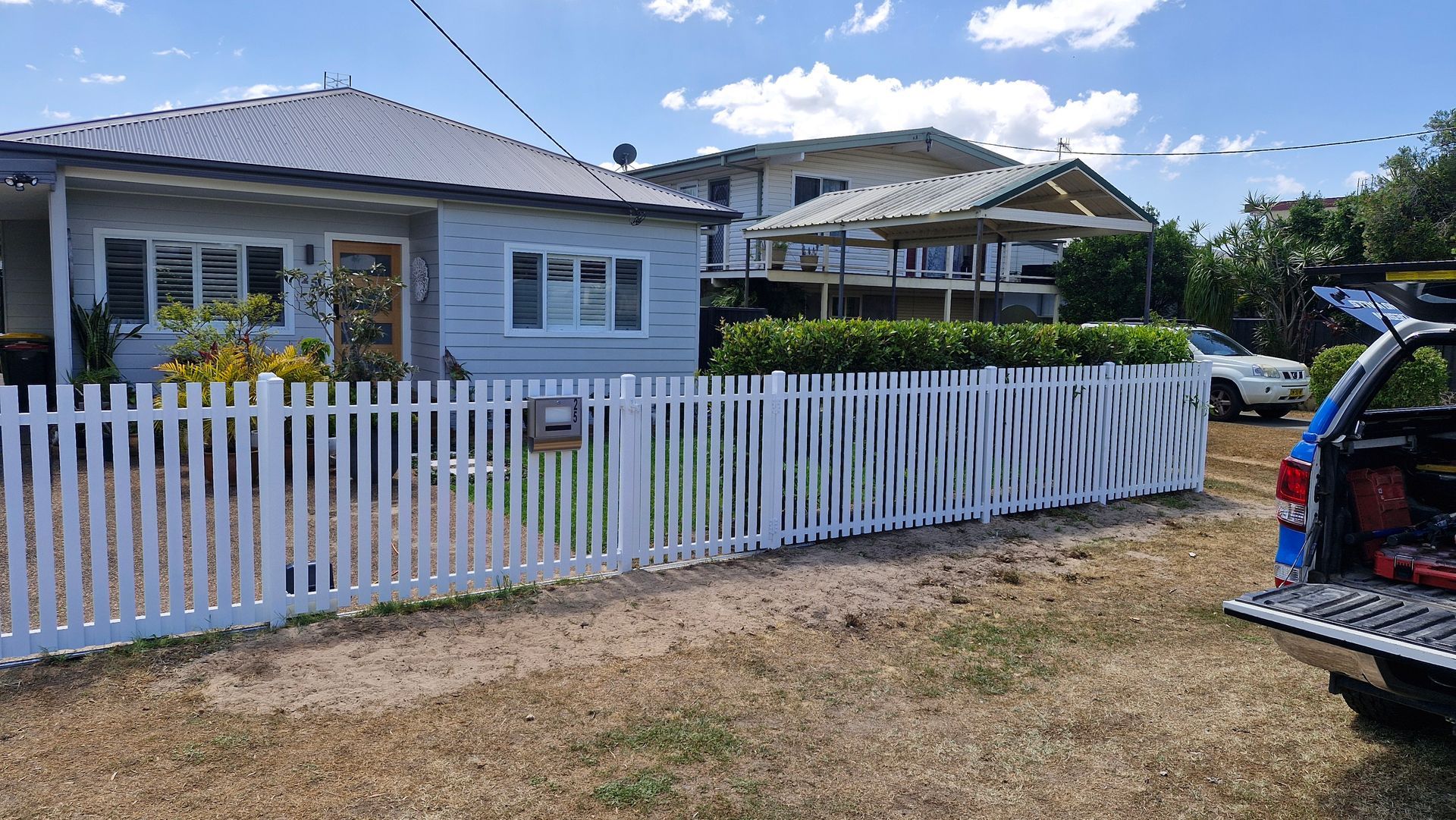
White Picket Fence in Front of a House — Strike Fencing & Gates In Tuggerah, NSW
October 27, 2025
Discover how to choose the ideal fencing for your home with expert guidance. Learn practical tips to enhance security and style today.
Black Metal Gate, Open on Paved Road — Strike Fencing & Gates In Tuggerah, NSW
By Strike Fencing & Gates September 19, 2025
Discover why professional installation is essential for automatic timber gates at Strike Fencing & Gates on the Central Coast—ensuring lasting durability.
Wooden Fence Along a Building — Strike Fencing & Gates In Tuggerah, NSW
By Strike Fencing & Gates August 15, 2025
Protect your Timber Fencing on the Central Coast from termites and other pests. Our experts can help you ensure a long-lasting fence. Contact us today!
Black Metal Gate, Open on Paved Road — Strike Fencing & Gates In Tuggerah, NSW
By Strike Fencing & Gates August 1, 2025
Discover how automatic gates boost security for your Central Coast property. Strike Fencing & Gates shares insights—read more to protect what matters most.