
Automatic Gate Maintenance on the Central Coast: How to Keep Your System Running
By Strike Fencing & Gates • November 22, 2026
Automatic gates on the Central Coast need regular maintenance to prevent corrosion, motor strain and unexpected breakdowns. Coastal salt air, moisture and debris can accelerate wear, making routine cleaning and professional servicing essential. For many properties, servicing every 6–12 months helps keep automatic gates operating safely and reliably.
Whether your gate is newly installed or starting to show signs of wear, understanding basic maintenance can help you avoid costly repairs and extend its lifespan.

Why Is Automatic Gate Maintenance Important on the Central Coast?
The Central Coast's coastal environment creates additional challenges for automatic gate systems. Salt-laden air, humidity and windblown debris can affect metal components, moving parts and motor housings.
Salt deposits attract moisture, accelerating corrosion on exposed tracks, hinges, brackets and fasteners. Over time, this deterioration can increase friction, restrict movement and place unnecessary strain on the gate motor. Properties around Terrigal, Avoca Beach and The Entrance may experience greater exposure than sheltered inland locations. Regular maintenance helps identify these issues early. As explained in our guide to
why professional gate installation matters, correct installation and suitable components also contribute to long-term reliability.
How Often Should Automatic Gates Be Serviced?
Most residential automatic gates benefit from professional servicing at least once a year. However, Central Coast properties exposed to salt spray, frequent rain or heavy daily use may require inspections every six months.
The appropriate interval depends on the manufacturer's recommendations, environmental conditions and frequency of operation.
| Gate Conditions | Suggested Servicing Frequency |
|---|---|
| Sheltered residential property | Every 12 months |
| Typical Central Coast property | Every 6–12 months |
| Exposed coastal property | Around every 6 months |
| High-use entrance | Every 3–6 months |
These are general guidelines. Always follow the maintenance requirements specified by your gate manufacturer. For
automatic gate servicing on the Central Coast, scheduling preventive inspections is generally more economical than waiting for a mechanical failure.
How to Maintain Automatic Gates Between Professional Services
Homeowners can complete several basic maintenance tasks without specialist equipment. Regular cleaning and visual inspections help prevent debris buildup and reveal early signs of deterioration.
1. Keep Sliding Gate Tracks Clear
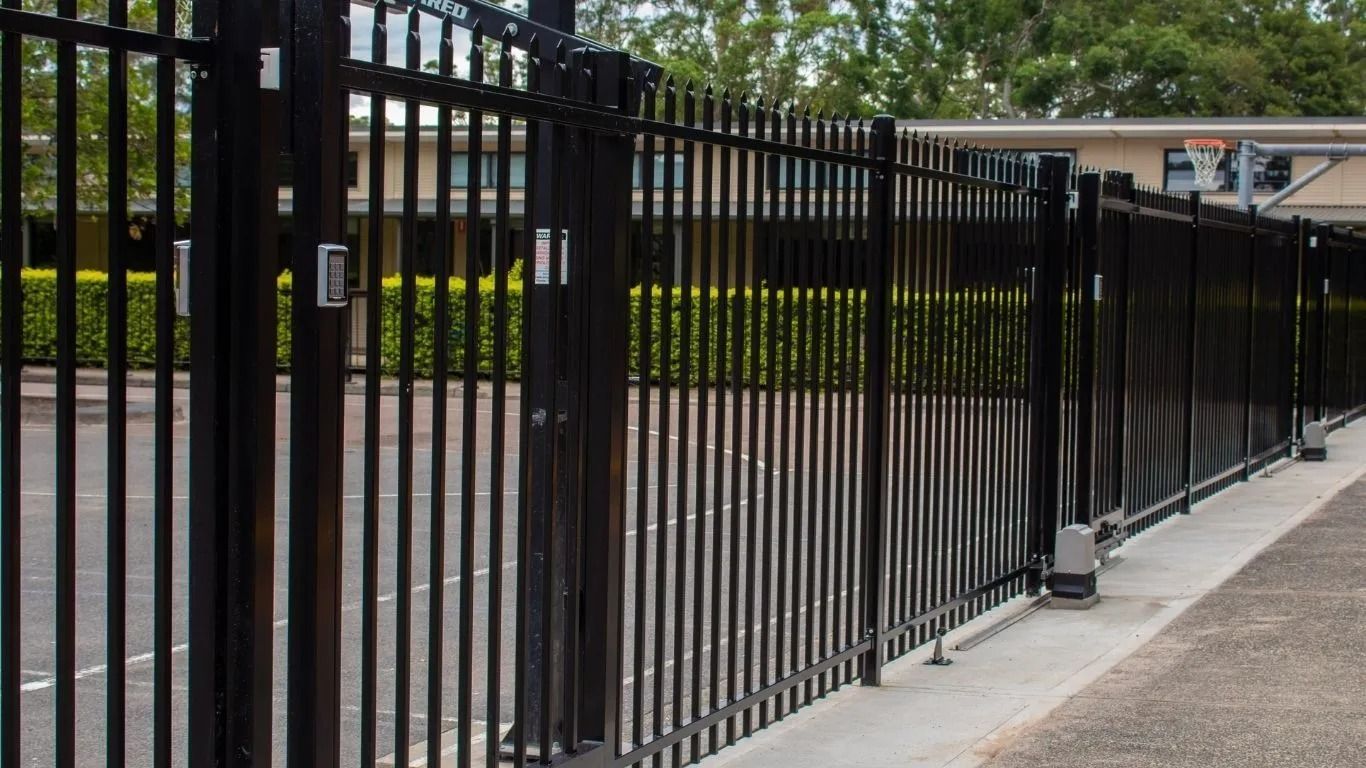
For sliding gates, track maintenance is particularly important. Sand, leaves, stones and salt residue can accumulate along the track, restricting movement and increasing motor resistance. With the gate safely stopped and isolated according to manufacturer instructions, remove loose debris using a soft brush. Check for visible rust, damage or obstructions. Avoid applying grease directly to tracks unless the manufacturer recommends it, as grease can attract additional dirt.
2. Inspect Hinges, Rollers and Moving Parts
Swing gates rely on hinges, while sliding systems use rollers and guides to support movement. Look for rust, loose fittings, worn components or unusual movement. Grinding, squeaking or scraping noises may indicate developing problems. Lubrication requirements vary between systems. Always use manufacturer-approved products and avoid lubricating sealed components unnecessarily. If parts appear damaged or misaligned, arrange professional servicing rather than attempting adjustments yourself.
3. Remove Salt Residue and Prevent Corrosion
Salt buildup is a significant concern for automatic gates Central Coast NSW homeowners maintain. Where suitable for the gate's materials and finish, gently rinse exterior surfaces with fresh water and remove stubborn deposits using a soft cloth. Pay particular attention to exposed brackets, hinges and lower sections where moisture accumulates. Avoid pressure washing motor housings, control boxes or electrical connections. If you notice bubbling paint, rust around fasteners or deteriorating coatings, organise an inspection before corrosion spreads.
4. Monitor Gate Motor Performance
Your gate motor should operate smoothly without excessive noise, vibration or hesitation. During normal operation, watch for slower movement, unusual sounds or inconsistent opening and closing. These symptoms may indicate motor problems, but they can also result from track obstructions, worn rollers or poor alignment. Never open electrical enclosures or attempt internal motor repairs yourself. Qualified technicians should handle electrical inspections and mechanical adjustments.
5. Check Safety Sensors
Automatic gates often use photocells and other safety devices to detect obstructions. Keep accessible sensor lenses clean and remove vegetation or debris blocking their operation. Watch for unexpected closing, unexplained stopping or inconsistent responses. Never stand in the gate's path to test safety functions. If the system behaves unpredictably, stop using it and arrange a professional inspection.
What Are the Warning Signs Your Automatic Gate Needs Servicing?
Automatic gates often show warning signs before a complete breakdown.
Common symptoms include:
- Slow movement: Opening or closing takes longer than normal.
- Grinding noises: Moving components may be worn or misaligned.
- Jerky operation: The gate hesitates or shudders during movement.
- Visible corrosion: Rust appears around hinges, tracks or fittings.
- Intermittent response: Remote controls work inconsistently.
- Unexpected stopping: The gate stops or reverses without an obvious obstruction.
For example, a sliding gate at a coastal home near Avoca Beach might begin moving slowly after sand accumulates around its track. The owner suspects motor failure, but a technician discovers debris buildup and a worn roller. This illustrative scenario demonstrates how early maintenance can prevent unnecessary motor strain and more extensive repairs.
What Does Professional Automatic Gate Servicing Include?
Professional automatic gate servicing involves inspecting mechanical components, motor performance and safety systems.
Depending on the gate type and manufacturer's requirements, a technician may check:
- Gate alignment and structural condition
- Tracks, hinges, rollers and guide assemblies
- Motor mounting and drive mechanisms
- Electrical connections and moisture ingress
- Safety sensors and obstruction detection
- Manual release and emergency access functions
- Corrosion, loose fittings and worn components
- Lubrication and manufacturer-specified adjustments
For Central Coast properties, technicians should pay particular attention to components exposed to salt, moisture and windblown debris. Professional servicing also helps identify problems that aren't obvious during everyday operation.
Can Regular Maintenance Extend Your Automatic Gate's Lifespan?
Yes. Regular maintenance can extend an automatic gate's useful life by reducing friction, controlling corrosion and identifying worn components early. However, lifespan depends on installation quality, materials, operating frequency and environmental exposure.
A well-maintained gate moves smoothly without forcing the motor to overcome unnecessary resistance. Preventive servicing helps preserve that condition while reducing the likelihood of unexpected breakdowns. For coastal properties, treating corrosion early is particularly important because damaged structural fittings and moving components can become expensive to replace.
When Should You Call a Professional?
Arrange professional servicing if your gate operates inconsistently, makes unusual noises, shows visible corrosion or hasn't been inspected within its recommended maintenance interval. While homeowners can handle basic cleaning, electrical faults, motor repairs, safety testing and alignment adjustments require qualified technicians. If your gate becomes stuck or moves unpredictably, stop operating it until a professional assesses the problem.
Keep Your Automatic Gate Running Reliably on the Central Coast
Regular cleaning, corrosion prevention and professional inspections help protect automatic gates against the Central Coast's challenging coastal conditions. Following a suitable 6–12-month servicing schedule can reduce unnecessary wear and prevent minor problems from developing into expensive repairs.
If your gate is overdue for maintenance or showing signs of trouble,
Strike Fencing & Gates can help with your servicing enquiries.
Get in touch with our team to discuss your automatic gate maintenance needs on the Central Coast.
Frequently Asked Questions
How often should an automatic gate be serviced in Australia?
Most residential automatic gates benefit from annual professional servicing. Coastal properties or high-use systems may require inspections every six months, depending on manufacturer recommendations and operating conditions.
Can I maintain my automatic gate myself?
You can remove debris, clean accessible surfaces and check for visible damage. Leave electrical work, motor repairs, alignment adjustments and safety testing to qualified professionals.
Does salt air damage automatic gate motors?
Yes. Salt-laden moisture can contribute to corrosion around motor housings, fittings and electrical components. Regular inspections and appropriate corrosion protection help minimise damage.
What happens if I don't service my automatic gate?
Without maintenance, corrosion, debris and mechanical wear can increase resistance and strain on the motor. This may eventually cause unreliable operation, damaged components or unexpected breakdowns.
How do I know if my automatic gate motor is failing?
Warning signs include unusual noises, slow movement, intermittent operation and unexpected stopping. However, these symptoms can also indicate mechanical problems, so professional diagnosis is recommended.